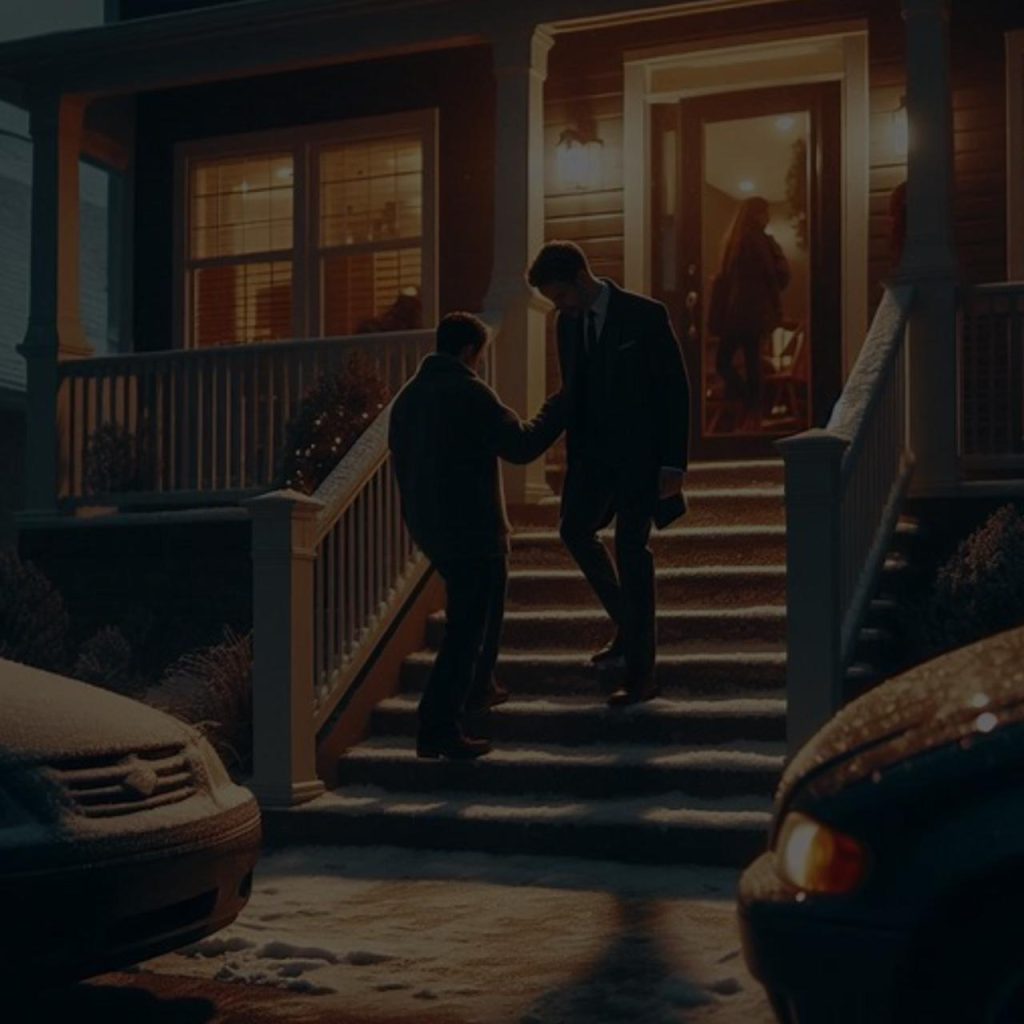
In a quiet suburb of chilly Colorado, a family was getting ready to host a small winter dinner party for friends and neighbors. Like many responsible homeowners, they had a Homeowner’s Insurance policy that included Personal Liability Coverage — protection designed to cover accidents or injuries that might happen on their property.
That evening, temperatures had dropped below freezing. The homeowner made sure to sprinkle salt on the front steps and walkway to prevent ice buildup before guests arrived. Inside, the party was warm, cheerful, and full of laughter.
The Unexpected Fall
Midway through the evening, one guest stepped outside to take a phone call. On his way back in, he slipped on a small icy patch that had formed on the front stairs — one that no one had noticed. The fall was painful and resulted in a fractured wrist.
The homeowner rushed to help and drove him to a nearby emergency room. The injury required a cast and several weeks of physical therapy, leading to significant medical bills and lost workdays. The homeowner felt both responsible and worried, but he remembered his home insurance policy might offer protection

The Insurance Investigation
When the homeowner filed a claim, the insurance company began a standard investigation. At first, they hesitated to approve the claim, explaining that they needed to verify whether the homeowner had taken “reasonable care” to prevent the accident.
In other words, was the homeowner negligent, or was the incident truly unavoidable? The insurer wanted to determine whether he had done enough to make the property safe during icy conditions.
The homeowner, though frustrated, understood. He knew he had taken precautions — and he had proof.
Documentation Made the Difference
Being an organized person, he kept the receipt for the salt bags he purchased earlier that morning and even had photos of the front steps after salting them — pictures he had texted to his wife while preparing for the event.
When he submitted these documents, they served as undeniable evidence that he had acted responsibly and taken preventive steps. After reviewing the proof, the insurance company ruled that the homeowner had not been negligent.
They approved the claim, covering the guest’s medical expenses and lost wages — all within the limits of his liability coverage.
The situation ended positively for everyone: the injured friend received care without financial stress, the homeowner was protected from a potential lawsuit, and their friendship remained intact.
Insurance Lessons Learned
This real story highlights the importance of understanding and maintaining your personal liability coverage:
1. “Reasonable Care” Is Key:
Insurers expect homeowners to take practical steps to prevent accidents — such as salting icy stairs or repairing broken steps.
2. Documentation Is Your Best Friend:
Always keep receipts, take photos, and record maintenance efforts. These small details can make or break your insurance claim.
3. Let the Insurance Company Investigate :
Don’t admit fault or promise to pay out-of-pocket. Report the incident and let your insurer handle it — that’s what you pay premiums for.
Trusted Resources for Homeowners Insurance Knowledge
1. Insurance Information Institute: What Is Personal Liability Coverage?
— A reliable, non-commercial guide to understanding liability insurance.
2. Investopedia: Personal Liability Insurance: What It Is and Who Needs It
— A clear breakdown of how personal liability works within home insurance.
3. Nolo Legal Guides: Homeowner Liability for Slip and Fall Accidents
— Explains legal standards of negligence and “reasonable care” for property owners.