
Introduction
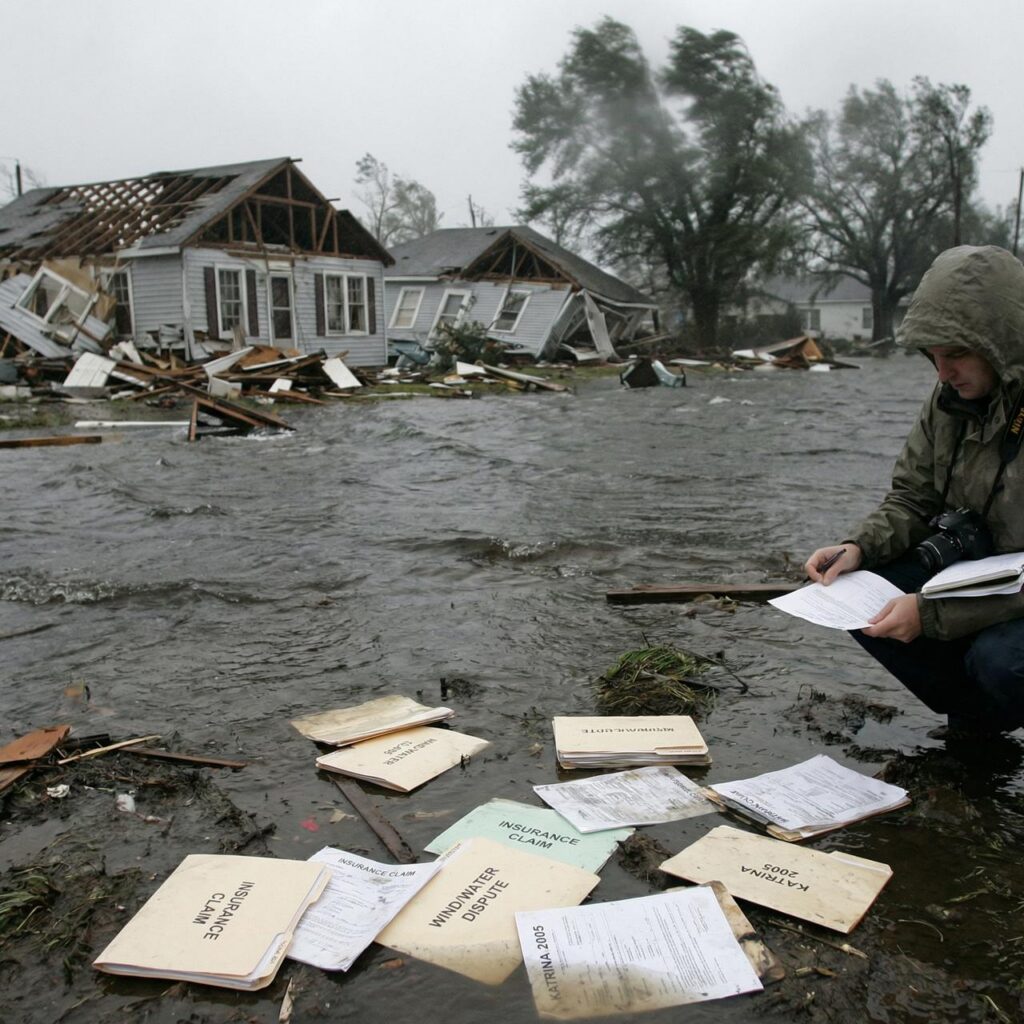
Natural disasters can destroy homes in a matter of hours, but for many families in the United States, the real struggle begins after the storm ends. Insurance is supposed to provide financial protection during these crises, yet some cases reveal how complex and controversial claims can become.
This real story from Hurricane Katrina exposes one of the most debated insurance disputes in U.S. history. It highlights how homeowners were denied compensation and how insiders revealed alleged manipulation within the system.
Quick Facts
- Type of Insurance: Property Insurance (Homeowners Insurance)
- Event: Hurricane Katrina (2005)
- Location: Mississippi, USA
- Main Issue: Denial of claims due to “flood vs wind” dispute
- Key Figures: Cori and Kerri Rigsby
- Legal Concept: Anti-Concurrent Causation Clause
Understanding Property Insurance in Disasters
Homeowners insurance in the United States typically covers damage caused by risks such as fire, theft, and windstorms. However, flooding is usually excluded and requires separate coverage through the National Flood Insurance Program (NFIP).
This creates a critical issue during hurricanes, where both wind and water can cause destruction simultaneously.
The Real Story
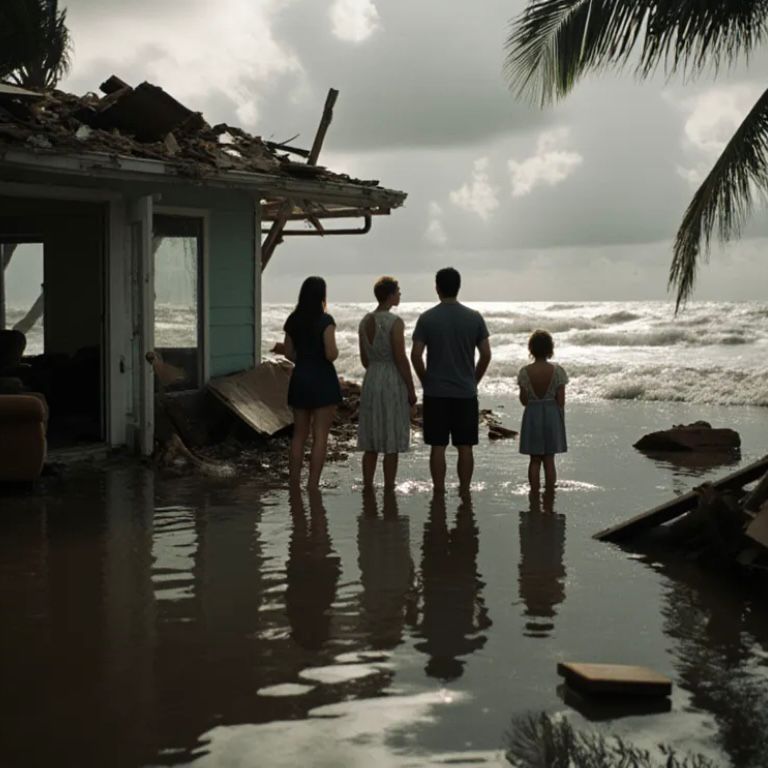
In 2005, Hurricane Katrina devastated large parts of the Gulf Coast. Thousands of families returned to find their homes completely destroyed.
Many expected their insurance to cover the damage. Instead, they were told that the destruction was caused by flooding, not wind—meaning their claims would not be paid.
The Role of the Rigsby Sisters
Cori and Kerri Rigsby, who worked as insurance adjusters, noticed serious inconsistencies in how claims were handled.
According to their testimony, engineering reports were altered to attribute damage to water instead of wind. This change significantly reduced or eliminated payouts to homeowners.
The sisters decided to expose these practices, becoming whistleblowers in one of the most important insurance cases in U.S. history.
Legal and Administrative Situation
Homeowners faced what is known as “systematic denial of claims.” The insurance company was accused of acting in bad faith by manipulating evidence.
The case was brought under the False Claims Act, which allows individuals to report fraud involving government funds.
The Rigsby sisters faced intense legal pressure and were accused of mishandling confidential documents, leading to a long legal battle.
Legal Insight: Anti-Concurrent Causation Clause
This clause allows insurance companies to deny claims if both a covered cause (wind) and a non-covered cause (flooding) contributed to the damage at the same time.
This rule played a central role in denying compensation to many Katrina victims.
Impact on Homeowners
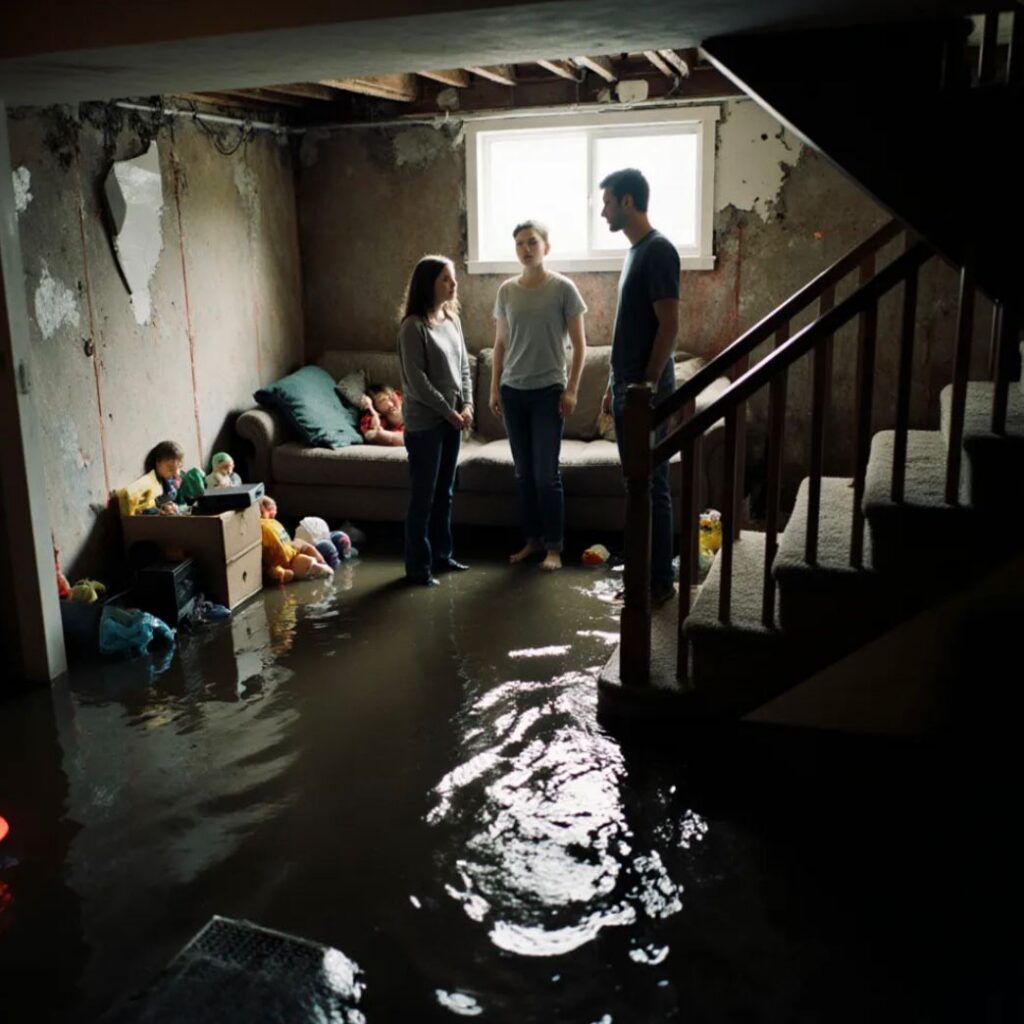
Thousands of families were left without compensation, despite losing their homes. Many were unable to rebuild, leading to financial and emotional hardship.
Common Mistakes to Avoid
| Mistake | Solution |
|---|---|
| Assuming all disasters are covered | Understand exclusions clearly |
| Not having flood insurance | Purchase separate coverage |
| Trusting insurer blindly | Seek independent evaluation |
| No documentation | Take photos and videos |
Practical Advice
- Review your policy before disasters occur
- Consider flood insurance if you live in risk areas
- Document your property condition
- Hire a public adjuster if needed
- Consult a lawyer if your claim is denied
FAQ
Q: Does homeowners insurance cover floods?
A: No, flood insurance is separate.
Q: What is bad faith?
A: Unfair practices by insurers, such as unjustified denial.
Disclaimer
This article is for informational purposes only and does not constitute legal advice.
Conclusion
This case shows that insurance policies can be more complex than expected. Understanding coverage and legal rights is essential to avoid financial disaster after a natural catastrophe.
Sources
- ABC News – Coverage of the Rigsby sisters and Katrina insurance case
- Reuters – Supreme Court decision on Katrina fraud case
- SCOTUSblog – Legal analysis of State Farm v. Rigsby
Author
Written by Carla, content creator focused on real insurance and financial protection stories in the USA.
Pingback: Ashes of Deception: Unmasking Home Insurance Arson Fraud