

Introduction
Insurance is built on trust. Policyholders are expected to provide honest information when filing claims, while insurance companies rely on that honesty to process compensation fairly.
However, when that trust is broken, the consequences can be severe. This real-life case involving a luxury supercar shows how a single false claim can turn into a criminal conviction.
Quick Facts
- Type of Insurance: Auto Insurance (Luxury Vehicle)
- Location: Texas, USA
- Vehicle: Bugatti Veyron
- Claim Amount: $2.2 million
- Main Issue: Insurance fraud
- Outcome: Prison sentence
Understanding Insurance Fraud
Insurance fraud occurs when a policyholder intentionally deceives an insurance company to receive compensation they are not entitled to.
This can include:
- Falsifying accident details
- Exaggerating damages
- Staging accidents intentionally
In the United States, insurance fraud is considered a serious criminal offense and can lead to heavy fines and imprisonment.
The Real Story
In 2009, Andy House was driving his Bugatti Veyron, one of the most expensive cars in the world, valued at approximately $1 million.
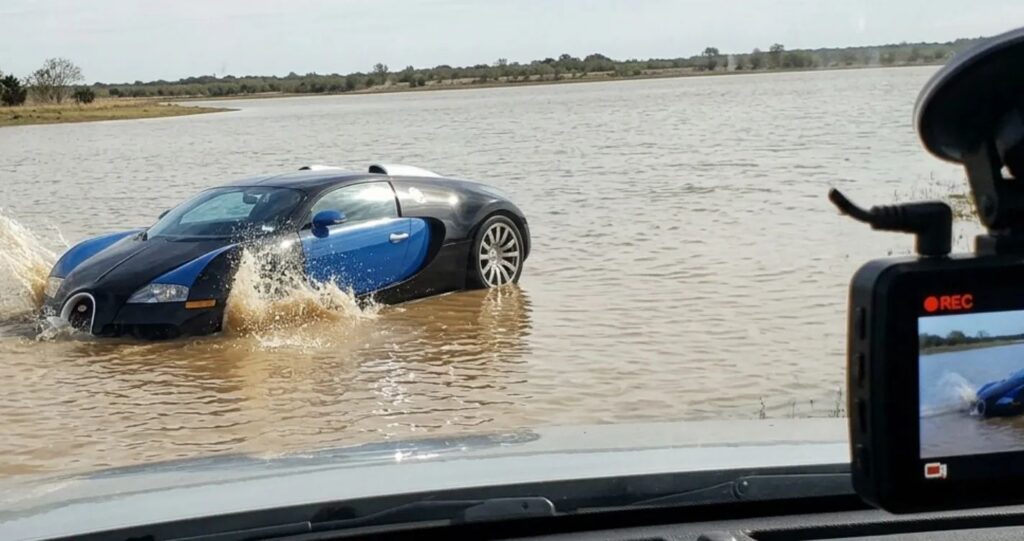
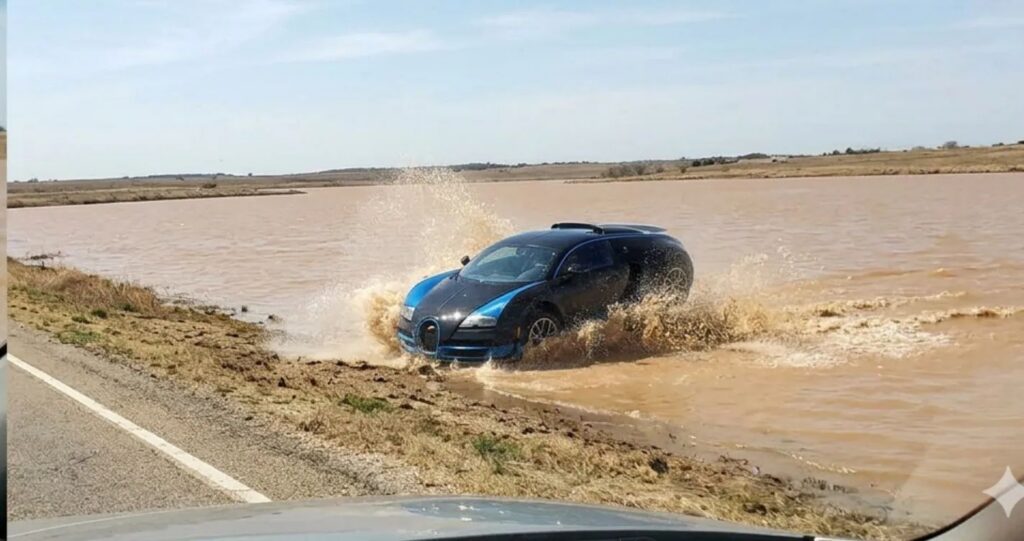
While driving near a lake in Texas, his car suddenly veered off the road and plunged into the water, becoming severely damaged.
House later claimed that a low-flying pelican distracted him, causing the accident.
The Claim
After the incident, House filed an insurance claim requesting $2.2 million in compensation for the loss of the vehicle.
At first glance, the story appeared unusual but plausible. However, the investigation quickly revealed inconsistencies.
The Investigation
What Andy House did not expect was that a passing driver had recorded the entire incident on video.
The footage clearly showed that there was no pelican and that the driver had intentionally swerved off the road into the lake.
This evidence completely contradicted his claim and raised serious concerns about fraud.
Legal Insight: Intentional Acts Exclusion
Most insurance policies contain a clause known as the “intentional acts exclusion.”
This means that if damage is caused deliberately by the policyholder, the insurance company is not obligated to pay any compensation.
Filing a claim for a deliberately caused loss can also trigger criminal charges.
The Outcome
After a full investigation and legal proceedings, Andy House was found guilty of insurance fraud.
In 2015, he was sentenced to one year and one day in federal prison.
The case became widely known as a clear example of how fraud can be exposed — even in seemingly unusual situations.
Why This Case Matters
This case highlights how advanced investigations and unexpected evidence — such as video recordings — can uncover the truth behind insurance claims.
It also demonstrates that insurance fraud is not a harmless act, but a serious crime with long-term consequences.
Common Mistakes to Avoid
| Mistake | Consequence |
|---|---|
| Falsifying accident details | Claim denial + legal investigation |
| Staging an accident | Criminal charges |
| Assuming no evidence exists | Exposure through cameras or witnesses |
| Exaggerating losses | Fraud accusations |
Practical Advice
- Always provide accurate and truthful information when filing a claim
- Understand that insurers investigate suspicious cases thoroughly
- Never attempt to stage or manipulate an accident
- Be aware that modern technology (cameras, witnesses) can easily reveal the truth
- Consult professionals if you are unsure about your claim
Conclusion
This real-life story is a powerful reminder that honesty is essential in insurance claims.
Attempting to deceive an insurance company may seem like an easy way to gain money, but the risks far outweigh any potential reward.
In the end, transparency and integrity are the only safe path when dealing with insurance.
Sources
- The New York Times – Coverage of the Bugatti insurance fraud case
- FBI – Official press release on the conviction of Andy House
- ABC News – Video evidence and case details
Author
Written by Carla, content creator focused on real insurance and financial protection stories in the USA.


Pingback: The Insurance Claim Investigation Process: Kim Kardashian Heist Case Study