The Luxury Lie: How Social Media Exposed a High-End Travel Insurance Fraud Scheme
While millions of followers admired their “perfect” lifestyle across the Amalfi Coast, Paris rooftops, and luxury resorts in Rome, an invisible algorithm inside a major New York insurance company had already raised a red flag.
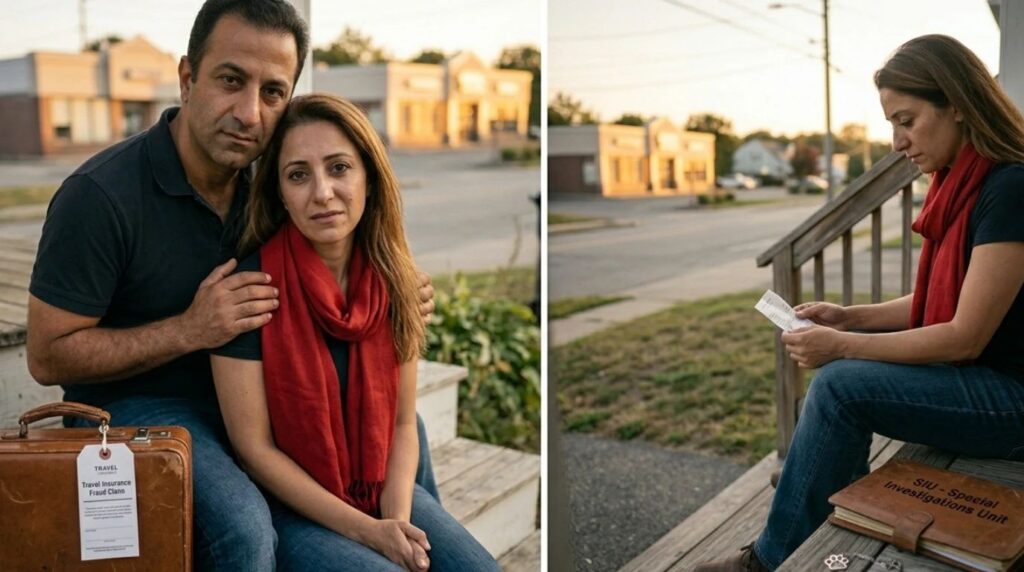
The influencer couple identified in court records as (A.J.) and (M.L.) filed a Travel Insurance claim worth more than $45,000, alleging that expensive camera equipment, luxury luggage, designer clothing, and electronics had been stolen during their trip to Italy.
To their followers, it looked like another tragic vacation theft story.
But behind the glamorous Instagram filters and cinematic travel reels, insurance investigators discovered something unexpected:
The couple’s own digital footprint was quietly dismantling their entire story.
What Really Happened?
From an investigative journalism perspective, this case was not simply about a fake theft claim. It was about how modern insurance fraud has evolved into a sophisticated form of “digital deception.”
Why the Fraud Happened
According to investigators, the couple had accumulated significant financial pressure behind the scenes.
Their public image demanded nonstop luxury travel, designer fashion, high-end hotels, and expensive production equipment.
Maintaining that image became financially unsustainable.
Investigators later concluded that the couple allegedly attempted to use their Travel Insurance policy as a hidden financial bailout rather than emergency protection.
How the Insurance Company Detected the Fraud
A senior insurance investigator explained:
“Most fraudsters understand paperwork. Modern investigators understand data.”
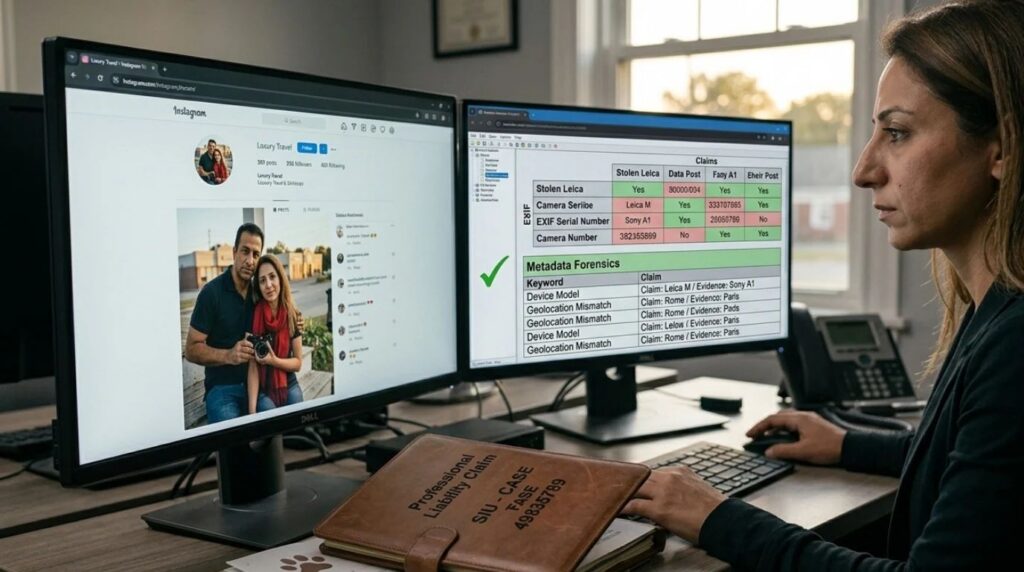
- Metadata Analysis: The couple submitted receipts for cameras they claimed had been stolen in Rome. However, forensic analysis of the photos posted after the alleged theft showed the images were captured using devices with completely different serial numbers.
- Social Media Contradictions: They claimed multiple luxury outfits and bags had disappeared inside the stolen luggage. Yet Instagram Stories uploaded the next day showed them wearing the exact same items.
- Location Tracking: Investigators cross-referenced timestamps, geolocation tags, hotel Wi-Fi records, and cloud uploads to rebuild their movements almost minute by minute.
- Invoice Verification: Some submitted receipts were traced to edited PDF templates rather than verified retailer transactions.
Cases involving digital inconsistencies have become increasingly common in high-value claims investigations, similar to the forensic insurance analysis seen in
this breakdown of the Kim Kardashian insurance investigation
.
The Rise of “Digital Insurance Fraud”
Insurance fraud no longer depends on fake paper documents alone.
Today, insurers use advanced investigative systems capable of analyzing:
- Social media activity
- Travel booking records
- Photo metadata
- Device fingerprints
- Cloud synchronization logs
- Online purchase histories
This process is often referred to as OSINT Investigations (Open-Source Intelligence).
According to the Coalition Against Insurance Fraud, travel-related fraud cases involving social media evidence have increased significantly over the past decade as investigators rely more heavily on digital behavioral analysis.
The Psychological Layer
Academic studies from Cornell University examining “white-collar rationalization” suggest that some social media personalities experience what psychologists call
Cognitive Dissonance.
In simple terms, individuals convince themselves that fraud is not “real theft” because the victim is a large corporation rather than a person.
Over time, maintaining a fake luxury lifestyle can psychologically normalize dishonest financial behavior.
How Travel Insurance Really Works
Many travelers misunderstand what Travel Insurance actually covers.
Standard policies are designed for:
- Medical emergencies abroad
- Trip cancellations
- Flight interruptions
- Lost baggage
- Emergency evacuations
However, most policies contain strict limitations for:
- Luxury watches
- Professional cameras
- Designer handbags
- Jewelry
- Commercial filming equipment
High-value travelers typically require specialized riders or “Scheduled Personal Property” endorsements to obtain full protection.
Without those endorsements, insurers may legally limit payouts to only a few hundred dollars per item.
What Happens After Fraud Is Proven?
Under U.S. law, filing a knowingly false insurance claim constitutes Insurance Fraud, which is treated as a felony in many states.
Once investigators established the inconsistencies, the couple reportedly faced:
- Claim denial
- Financial restitution demands
- Permanent policy cancellation
- Placement on insurance fraud databases
- Potential criminal prosecution
Industry blacklisting can have devastating long-term effects. Individuals flagged for fraud may struggle to obtain:
- Car insurance
- Homeowners insurance
- Travel coverage
- Business liability policies
- Workers’ compensation protection
Similar long-term insurance system consequences can also be seen in catastrophic workplace claim disputes like
this workers’ compensation case involving Joel Ramirez
.
FAQ: What Travelers Need to Know
Q: Can insurance companies monitor social media during investigations?
Yes. Publicly available posts, geotags, stories, videos, and comments are frequently reviewed during high-value insurance investigations.
Q: Can metadata really be used as legal evidence?
Absolutely. Photo metadata can reveal timestamps, device serial numbers, GPS coordinates, editing software history, and even whether an image was manipulated.
Q: Does Travel Insurance automatically cover expensive equipment?
Usually not. Most standard policies contain strict per-item reimbursement limits unless extra coverage is purchased.
Q: Can an insurance company deny a claim for “misrepresentation”?
Yes. Even partial false statements can trigger claim denial if the insurer determines the misinformation materially affected the investigation.
Q: What is the biggest mistake people make during insurance claims?
Oversharing online. Investigators often compare claim statements directly against social media activity.
The Era of Invisible Investigators
The downfall of this influencer couple demonstrates a harsh modern reality:
In the age of algorithms, metadata, and digital surveillance, there is almost no such thing as a “perfect insurance scam.”
Every uploaded photo, every geotag, every cloud backup, and every public post leaves behind evidence.
Travel Insurance exists to protect genuine emergencies — not to finance unsustainable luxury lifestyles.
The lesson from this case is brutally simple:
On the internet, your digital shadow often tells investigators more than your official statement ever will.
Sources