
Commercial Property Insurance: How Smart Inverter Telemetry Verifies Solar Array Claims
Evaluating commercial property and infrastructure claims within the renewable energy sector requires a strict analysis of localized weather patterns, physical impact mechanics, and grid generation data. When a green energy firm reports a total loss of high-value photovoltaic assets due to an alleged sudden environmental catastrophe, insurance adjusters must investigate the chronological production logs of the site. Processing a commercial property insurance claim for solar infrastructure has become highly data-driven today, as smart power inverters and continuous cloud telemetry provide an unalterable record of exact electrical output and hardware performance down to the millisecond.
Reported Hailstorm Damage to a Commercial Solar Array
A corporate solar farm operator in Colorado was experiencing intense financial strain due to high supply chain inflation and a series of missed commercial grid-delivery deadlines. Facing high debt obligations on their specialized power generation hardware, the management planned to simulate a major physical property loss. Their goal was to secure a $160,000 asset payout under their comprehensive commercial property policy’s environmental hazards endorsement.
The company acquired dozens of defective, cracked, and decommissioned solar panels from an industrial salvage yard for a nominal fee. Over a secluded weekend, the team uninstalled the functioning premium panels from a major section of the array and loaded them into commercial transport trucks to be sold privately to an off-grid distributor. They then mounted the pre-damaged salvage panels onto the commercial tracking racks. A few days later, when a minor weather front brought a light hailstorm to the area, the operators filed an official loss claim, stating that severe hail stones had instantly shattered their high-performance solar array during the storm, requiring complete equipment replacement.
Auditing Cloud Power Production Logs
Why Was the Solar Asset Claim Audited?
The specialized infrastructure claims adjuster noted structural inconsistencies during the initial physical survey of the site. While the upper glass of the panels was severely cracked, the underlying aluminum mounting brackets and the surrounding grassland showed no signs of high-velocity hail impacts or structural denting. Furthermore, regional meteorological radar data confirmed that the local weather front produced only soft, light rain and minor pea-sized hail that lacked the kinetic force required to shatter commercial-grade tempered safety glass.
The solar farm operator assumed that because the physical panels on the racks were visibly destroyed, the insurance carrier would accept the weather report as the direct cause of loss and issue a settlement without analyzing the digital performance history stored within the power grid connection files.
How Was the Fraud Discovered?
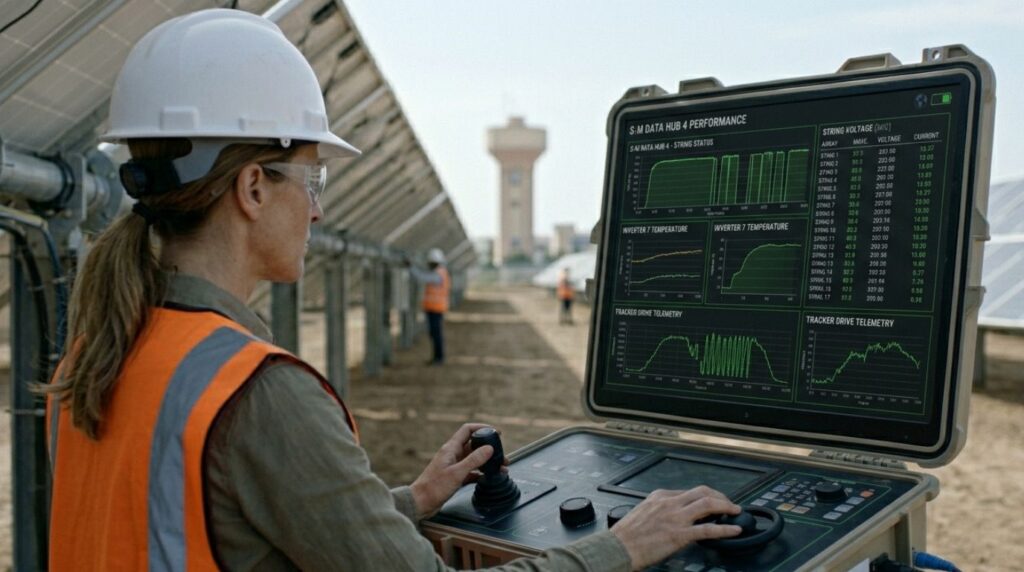
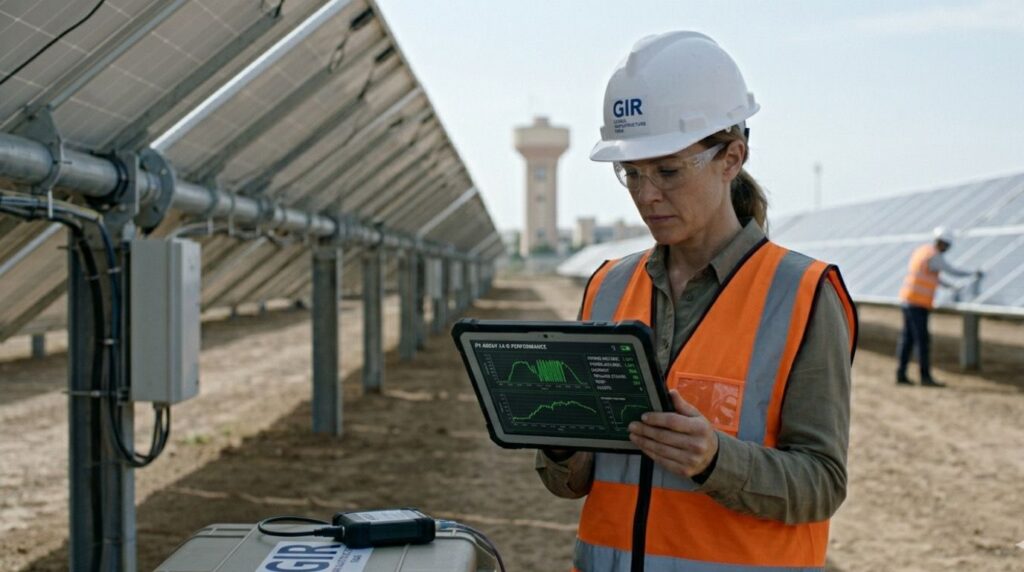
The insurance company’s engineering forensics division extracted the historical cloud telemetry from the farm’s integrated **Smart Power Inverters**. Modern commercial solar installations utilize micro-inverters and central smart tracking systems that continuously upload granular generation metrics, voltage baselines, and individual panel efficiency levels to independent off-site servers.
The downloaded performance logs provided absolute technical data that exposed the fraud. The telemetry proved that the specific section of the array experienced a complete drop in electrical generation three days *before* the hailstorm occurred, matching the exact hours the original panels were being uninstalled. The system also recorded individual circuit disconnections that could only be performed manually by a technician on-site, refuting the narrative of a sudden weather event. This checking of hardware data is standard protocol; just as specialized adjusters download offline hard drive data during a commercial property insurance medical machinery investigation involving system event logs, energy adjusters utilize inverter telemetry to confirm green asset losses.
Renewable Energy Systems Forensic Analyst Insight: “Smart inverters act as the black box of a solar farm. When the generation data shows a section went completely dark days before a cloud entered the area, it proves the asset was altered manually long before any hail hit the ground.”
Grid Telemetry and Infrastructure Risk Management
Analyzing renewable energy property losses requires an understanding of photovoltaic metrology and behavioral financial risks in green tech:
- The Technical Accuracy of Photovoltaic Telemetry: Research published in the IEEE Transactions on Sustainable Energy confirms that smart inverter logging systems utilize cryptographic security parameters that prevent retroactive data manipulation, providing an objective baseline for civil litigation.
- Moral Hazard in Subsidized Energy Projects: A study from the Journal of Environmental Economics and Insurance shows that commercial asset fraud attempts rise when local grid-tie subsidies decrease, as operators attempt to liquidate depreciating hardware assets through physical loss claims.
Policy Rescission and Infrastructure Fraud Penalties
How Does the Law Apply?
Commercial infrastructure and property insurance policies operate under strict legal requirements of material accuracy and good faith. Under the standard **Concealment, Falsification, or Fraud Exclusion**, any deliberate act to swap insured assets or misrepresent mechanical generation data completely voids the entire commercial insurance contract. The underwriting corporation is legally released from all current liabilities and can cancel any connected commercial liability or business interruption lines.
The solar operating company’s claim was formally denied, their active property coverage was rescinded, and the firm was blacklisted from major commercial underwriting networks. Local law enforcement, utilizing the inverter forensic reports, seized the hidden original panels and arrested the corporate officers for commercial insurance fraud, grand larceny, and conspiracy. This strict legal response is applied uniformly across all specialized lines when dishonesty is documented. Whether an individual is manipulating internal diagnostic files or staging a commercial loss to exploit weather events during a commercial property insurance restaurant investigation involving IoT sensor logs, the systemic outcome is identical: total claim rejection, asset forfeiture, and federal criminal prosecution.
Key Terms to Know in Renewable Energy Underwriting:
- Inland Marine Infrastructure Floater: A specialized commercial policy extension that protects high-value physical equipment that is exposed to the elements or distributed across large geographical areas, such as solar arrays or wind turbines.
- Equipment Breakdown Endorsement: Covers sudden, accidental electrical or mechanical failure within the power inverters or tracking motors, provided the damage is not caused by manual tampering or operational neglect.
Questions (FAQs)
1. Does standard commercial property insurance cover large-scale solar panel arrays?
No. Standard commercial property insurance policies usually exclude or heavily limit outdoor utility-scale infrastructure. Commercial operators must purchase a dedicated “Renewable Energy Asset Policy” or a specific inland marine floater designed for green energy equipment.
2. Can an insurance provider deny a solar claim if lightning destroys the telemetry network?
Even if an external surge impacts the local network router, the individual smart inverters contain localized, non-volatile internal flash memory that retains backup data logs. Forensic adjusters can extract these physical files directly from the hardware housing.
3. What happens if a commercial solar array is genuinely destroyed by severe large hail?
If a real catastrophic hailstorm occurs, the cloud logs will record perfect, maximum power output right up to the exact minute of the storm, followed by an immediate, simultaneous voltage drop across the entire array as the glass shatters organically.
Conclusion
Operating a commercial renewable energy facility requires strict technical compliance and completely honest communication with your insurance providers. The cloud-synced inverter telemetry analyzed in this solar array case demonstrates that modern green infrastructure electronics make fabricating an environmental hazard loss practically impossible to achieve. Attempting to solve corporate debt structures by staging physical asset damage leads directly to total policy cancellation and severe criminal prosecution. Implementing certified surge protections and maintaining transparent commercial property insurance reporting practices is the only reliable way to secure your green investments and protect your corporate legacy.


Pingback: Cyber Insurance: Multi-Factor Authentication Log Case Study