Bakery Fire Insurance Claim Denied After Gas Utility Records Revealed Overnight Oven Activity
Investigating commercial kitchen fire losses often requires more than a simple physical inspection.
When a bakery or food production facility reports major equipment damage caused by an alleged accidental fire, insurance investigators analyze utility records, operational timelines, ventilation systems, and maintenance history to determine what actually happened.
Today, evaluating a commercial property insurance claim involving industrial kitchen equipment has become increasingly data-driven. Smart gas utility meters, automated safety shut-off systems, and thermal monitoring devices provide a detailed operational timeline that helps underwriters verify whether a reported equipment failure was accidental or operationally induced.
Commercial Bakery Fire Damage Investigation
A commercial bakery operation in Illinois experienced severe financial pressure after losing several regional distribution contracts and facing rising ingredient and energy costs. The company had recently invested in a high-capacity industrial tunnel oven financed through commercial equipment loans.
One weekend, a major fire damaged the bakery’s industrial oven system and part of the surrounding preparation area. The business later submitted a commercial property insurance claim for the damaged equipment and interrupted operations, stating that an unexpected internal electrical malfunction caused the fire overnight while the facility was closed.
Initial reports described the incident as a sudden equipment failure involving overheating electrical components inside the industrial baking system.
Reviewing Gas Utility and Safety Records
Why Was the Fire Claim Investigated?
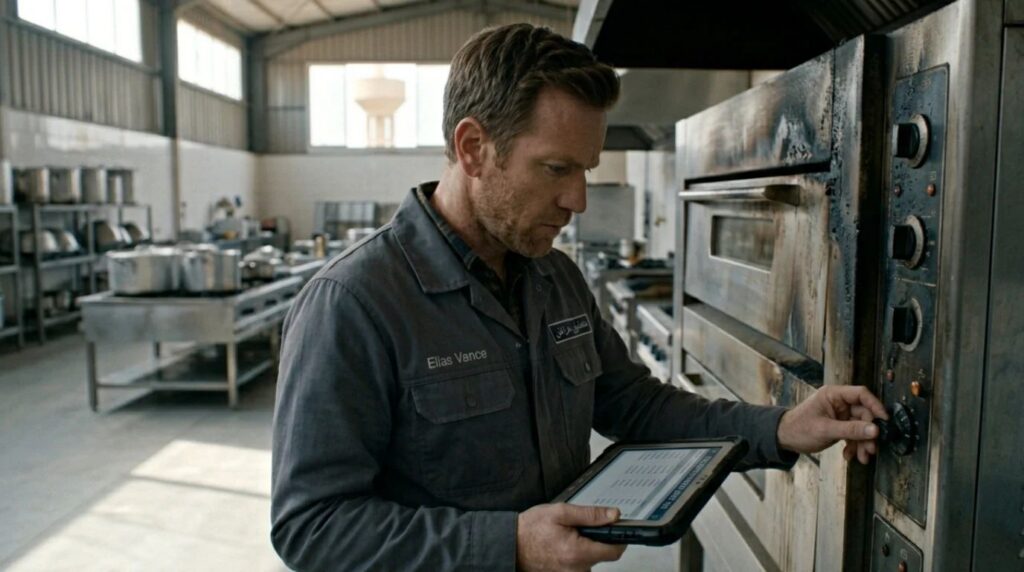
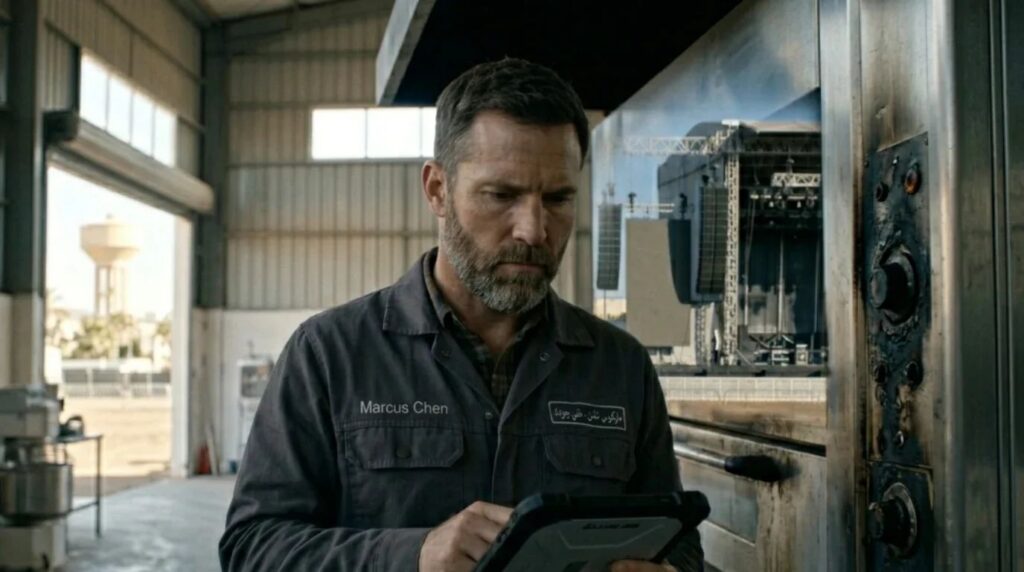
During the initial inspection, the commercial fire investigator noticed several inconsistencies in the physical damage pattern. While the external electrical wiring and control systems showed heavy heat damage, the internal oven chamber displayed prolonged high-temperature exposure typically associated with extended operational activity rather than a sudden electrical short circuit.
Investigators also found no evidence of a facility-wide power surge, damaged breaker systems, or electrical arc patterns commonly associated with accidental industrial appliance fires.
These findings prompted the insurance company to conduct a deeper review of the building’s operational data and utility consumption history.
How Did Investigators Verify the Operational Timeline?
The insurance company coordinated with the regional utility provider to obtain digital telemetry records from the facility’s smart gas meter covering the exact hours surrounding the fire.
The utility records showed unusually high and continuous natural gas consumption throughout the entire night, despite the business reporting that production operations had already stopped for the weekend.
Investigators later determined that restricted ventilation and prolonged heat exposure contributed to the overheating of internal electrical components. The operational patterns recorded by the utility logs were inconsistent with the reported timeline of a sudden accidental shutdown.
Additional analysis of the ventilation system indicated that airflow restrictions likely intensified internal heat accumulation inside the oven housing during extended operation.
Commercial Fire Investigator Insight:
“Modern utility telemetry provides investigators with a minute-by-minute operational history.
When overnight fuel consumption remains at industrial production levels, investigators can quickly determine whether equipment was actively operating before the fire occurred.”
How Smart Utility Records Support Insurance Investigations
Modern commercial facilities increasingly rely on smart infrastructure systems that continuously monitor energy usage, equipment activity, and safety performance.
- Smart Gas Meters: Record real-time fuel consumption patterns and can reveal unusual overnight operational activity.
- Thermal Monitoring Systems: Detect abnormal heat buildup within industrial machinery before catastrophic failure occurs.
- Ventilation Safety Controls: Help prevent dangerous heat accumulation in commercial kitchens and production facilities.
- Automated Shut-Off Valves: Reduce fire risks by interrupting fuel flow during emergency events or abnormal pressure changes.
Insurance investigators frequently compare utility telemetry with physical fire patterns, maintenance logs, and employee access records to verify commercial equipment loss claims.
How Commercial Kitchens Can Prevent Equipment Fire Losses
- Inspect ventilation systems regularly and remove grease buildup.
- Schedule annual maintenance for industrial ovens and gas appliances.
- Install automatic emergency shut-off systems and thermal alarms.
- Maintain accurate operational and utility usage records.
- Train employees on commercial kitchen fire safety procedures.
- Monitor overnight equipment usage through smart utility dashboards.
The Insurance and Legal Perspective
Commercial property insurance policies generally cover accidental fire damage involving properly maintained business equipment. However, coverage may be denied if investigators determine that operational records, maintenance conditions, or safety systems contradict the reported cause of loss.
Most commercial policies contain fraud and intentional misrepresentation provisions requiring policyholders to provide accurate information during the claims process. Insurance carriers may deny claims when operational evidence conflicts with the reported incident timeline.
In large commercial fire investigations, utility records, surveillance systems, maintenance reports, and engineering inspections are commonly used together to establish the sequence of events.
Key Insurance Terms to Understand
-
Equipment Breakdown Coverage:
Insurance protection designed for sudden and accidental mechanical or electrical equipment failures. -
Commercial Property Insurance:
Coverage that protects buildings, inventory, and business equipment from covered physical losses. -
Business Interruption Coverage:
Helps businesses recover lost income during temporary shutdowns caused by covered property damage. -
Risk Mitigation Systems:
Safety technologies used to reduce operational hazards and prevent equipment-related losses.
Questions (FAQs)
1. Does commercial property insurance cover industrial kitchen fires?
Yes. Most commercial property policies cover accidental fire damage involving properly maintained commercial kitchen equipment, provided the incident falls within the policy terms and exclusions.
2. Can insurance investigators review utility records during a claim?
Yes. Utility records, operational logs, maintenance reports, and safety system data are commonly reviewed during large commercial equipment and fire investigations.
3. Why are smart gas meters important in commercial facilities?
Smart gas meters help businesses monitor energy consumption, identify abnormal equipment activity, improve operational efficiency, and support safety investigations when incidents occur.
4. What are common causes of industrial oven fires?
Common causes include poor ventilation, overheating components, electrical failures, grease buildup, blocked exhaust systems, and lack of preventive maintenance.
Conclusion
Modern commercial insurance investigations increasingly rely on objective operational data rather than statements alone. Smart utility systems, thermal monitoring tools, and maintenance records now play a central role in evaluating industrial fire losses and equipment damage claims.
For commercial bakeries and food production facilities, maintaining proper ventilation, monitoring utility consumption, and following routine safety inspections are essential not only for operational safety, but also for protecting long-term insurance eligibility and business continuity.
As commercial infrastructure becomes more connected, utility telemetry and automated safety systems will continue reshaping how commercial property insurance claims are investigated and verified.