The Problem: A Minor Accident with Major Consequences
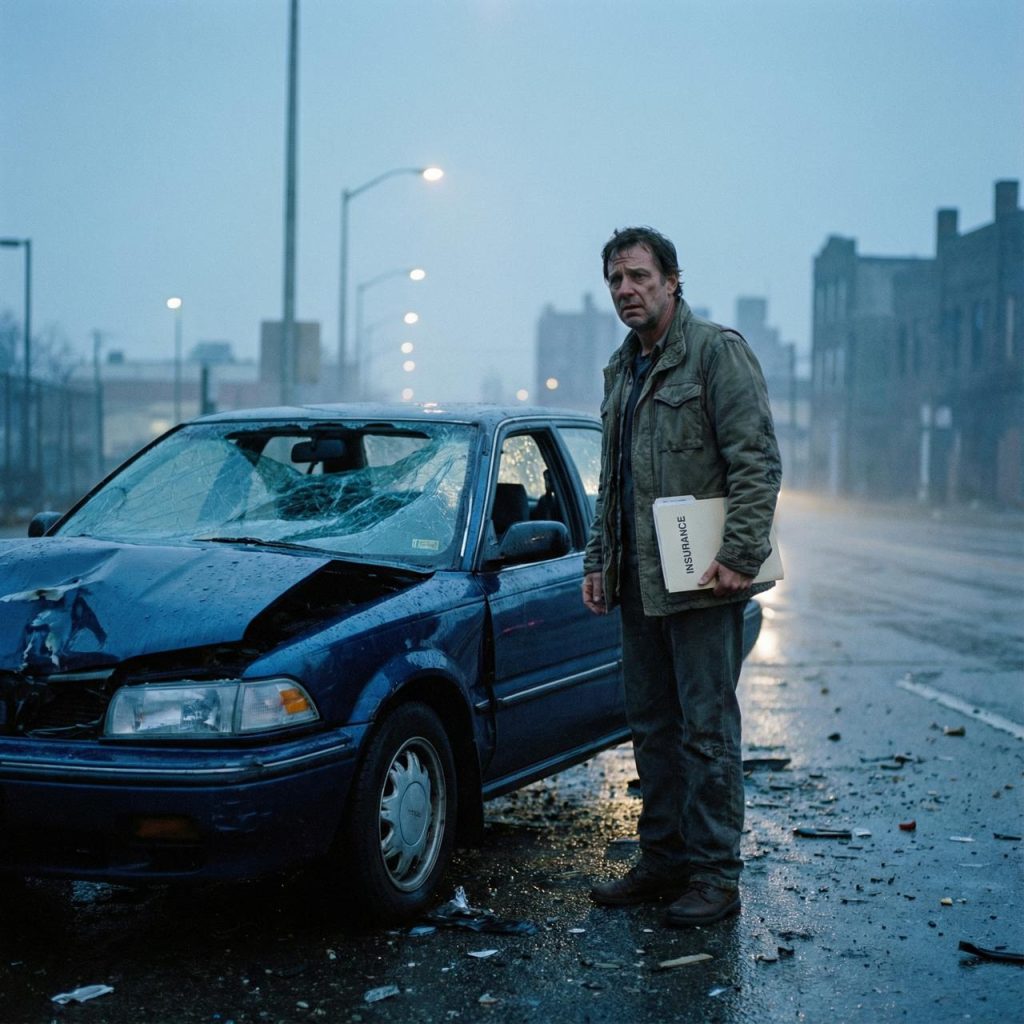
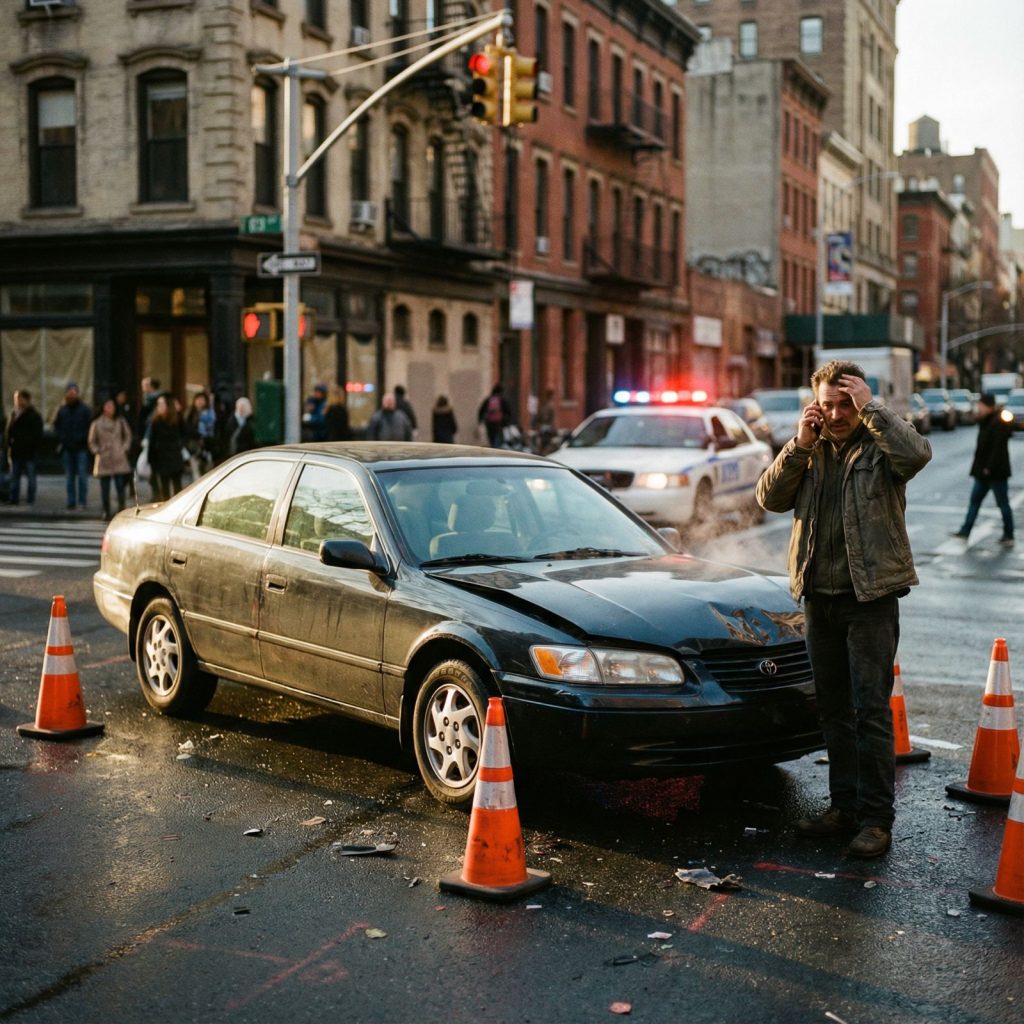
Laila was very proud of her new car, which she had owned for only a year and kept in excellent condition. One day, while stopped at a traffic light, another vehicle rear-ended her. The accident wasn’t severe, but the damage to the back of her car was extensive and required repairs costing thousands of dollars. Since the other driver was at fault, his insurance company covered the full repair cost at an authorized repair center. Two weeks later, Laila picked up her car looking brand new, relieved that everything seemed back to normal.
The Legal Reality: The Harsh Truth at Resale Time
Six months later, Laila decided to sell her car in order to upgrade to a larger model. When she visited the dealership for an appraisal, she was shocked by the significantly lower offer she received. The dealer showed her the vehicle history report (such as CarFax), which now displayed a “Recorded Accident” mark. He explained that any informed buyer would either avoid such a car or demand a large price reduction. When Laila contacted the at-fault driver's insurer to request compensation for the lost value, the response was cold and absolute: “We repaired your car fully. We do not cover anything called diminished value.”
Legal Insight: Understanding Inherent Diminished Value
What Laila encountered is legally known as Inherent Diminished Value—the immediate loss in a vehicle’s market value simply because it now carries an accident record, even if the repairs were flawless. In most U.S. states, the non-at-fault vehicle owner has the right to claim this loss from the at-fault party’s insurer. Insurance companies often use internal formulas (such as the 17c formula) to undervalue this loss or deny it altogether.
The Lesson: Insurance Repairs Aren’t the End of the Story
This is why it’s essential to understand that an insurer’s responsibility doesn’t end with paying a repair invoice. The purpose of compensation is to return you to the same financial position you were in before the accident — which includes reimbursement for reduced resale value. Fixing the physical damage is only half the story.
What You Can Do to Protect Yourself
Never accept an insurer’s refusal of a diminished value claim as final. The first step is to hire an independent, certified appraiser who specializes in diminished value assessments. They will prepare a detailed report showing your car’s value before and after the accident, considering the type of damage and the vehicle’s market reputation. This report is your strongest tool for negotiating with the insurer, and if they still refuse, it can serve as key evidence in Small Claims Court.
Trusted Sources
- Kelley Blue Book (KBB) – “Diminished Value of a Car”: Explains how accident history affects market value.
- Shouse Law Group – “Diminished Value Claims in California”: Breaks down legal rights related to diminished value claims.
- Bankrate – “How to File a Diminished Value Claim”: A step-by-step guide to filing a claim, including common formulas like 17c.