The Problem or Incident
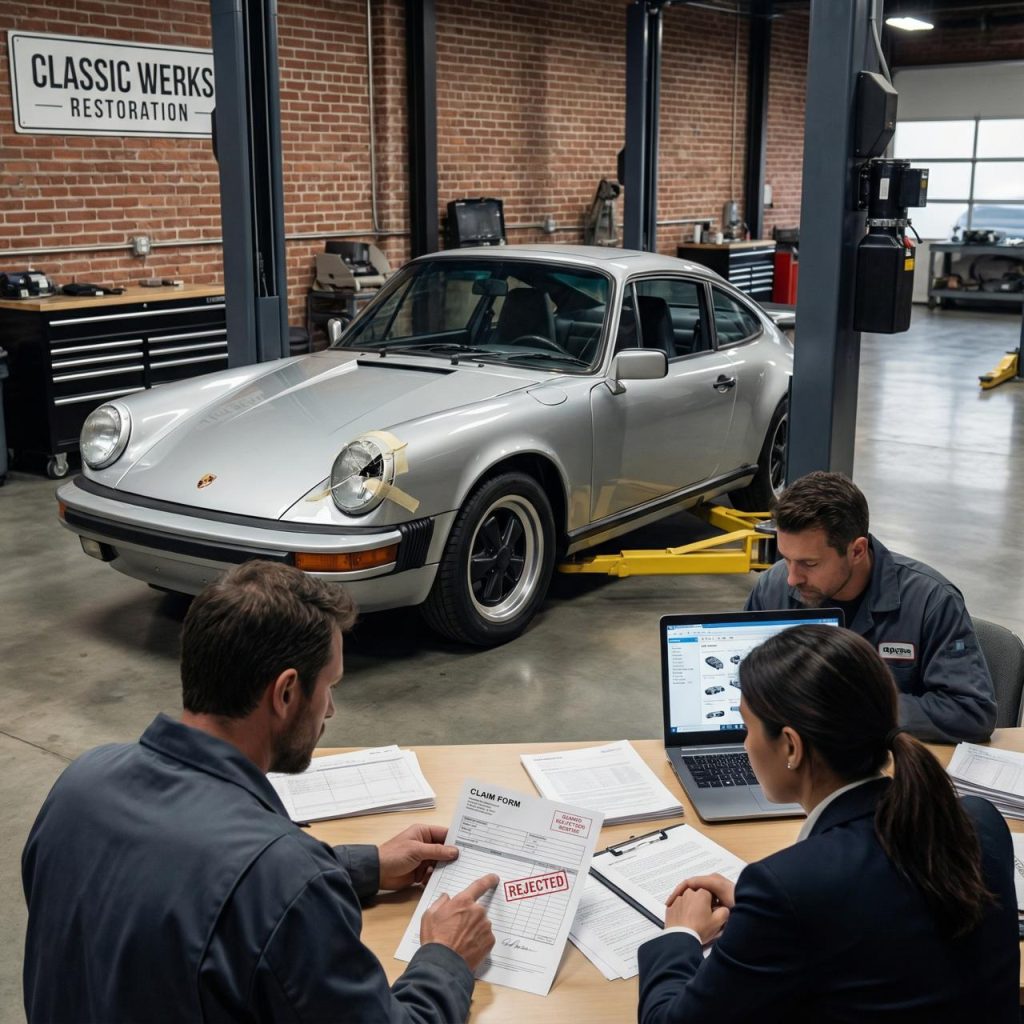
Dr. Lina, a physician and classic-car collector, owned a pristine 1985 Porsche 911 kept entirely in its original factory condition. The car was both an investment and a piece of automotive art. One day, another driver caused a minor crash that damaged the side door and rear bumper. Lina wasn’t worried; she had been paying a high premium to a major insurance company for what she believed was “full coverage” that would protect her investment.
The Legal or Administrative Issue
The insurance company agreed to cover the repair costs, but insisted that the work be done using aftermarket parts instead of Porsche OEM (Original Equipment Manufacturer) components. Lina protested, explaining that using non-OEM parts would destroy the car’s historical integrity and reduce its resale value by at least 25%. The insurer refused, citing a policy clause allowing them to use parts “of like kind and quality” (LKQ), a vague term that often benefits insurers at the expense of classic and luxury vehicle owners.
Legal or Financial Insight
Most standard auto insurance policies include an LKQ clause, permitting insurers to select aftermarket parts to minimize costs. However, for classic or high-end vehicles, OEM parts are critical to preserving market value. The true solution is purchasing a specialty policy that includes an OEM Parts Guarantee, which contractually obligates the insurer to use genuine manufacturer components only—regardless of the cost difference.
The Lesson or Practical Advice
After months of disputes, and with assistance from a certified classic-car appraiser, the insurance company reluctantly agreed to pay the full cost of OEM parts. Lina’s case demonstrates that “full coverage” often falls short in protecting collectible or rare vehicles. The key lesson is that special cars require special insurance policies—specifically those that explicitly guarantee OEM parts.
Awareness and Prevention
To avoid similar problems, always ask your insurer a direct, written question before purchasing coverage for a classic or exotic vehicle: “In the event of a claim, does this policy guarantee OEM parts only, or can you use aftermarket components?” The answer determines whether the policy truly protects your vehicle’s value or only restores its function.