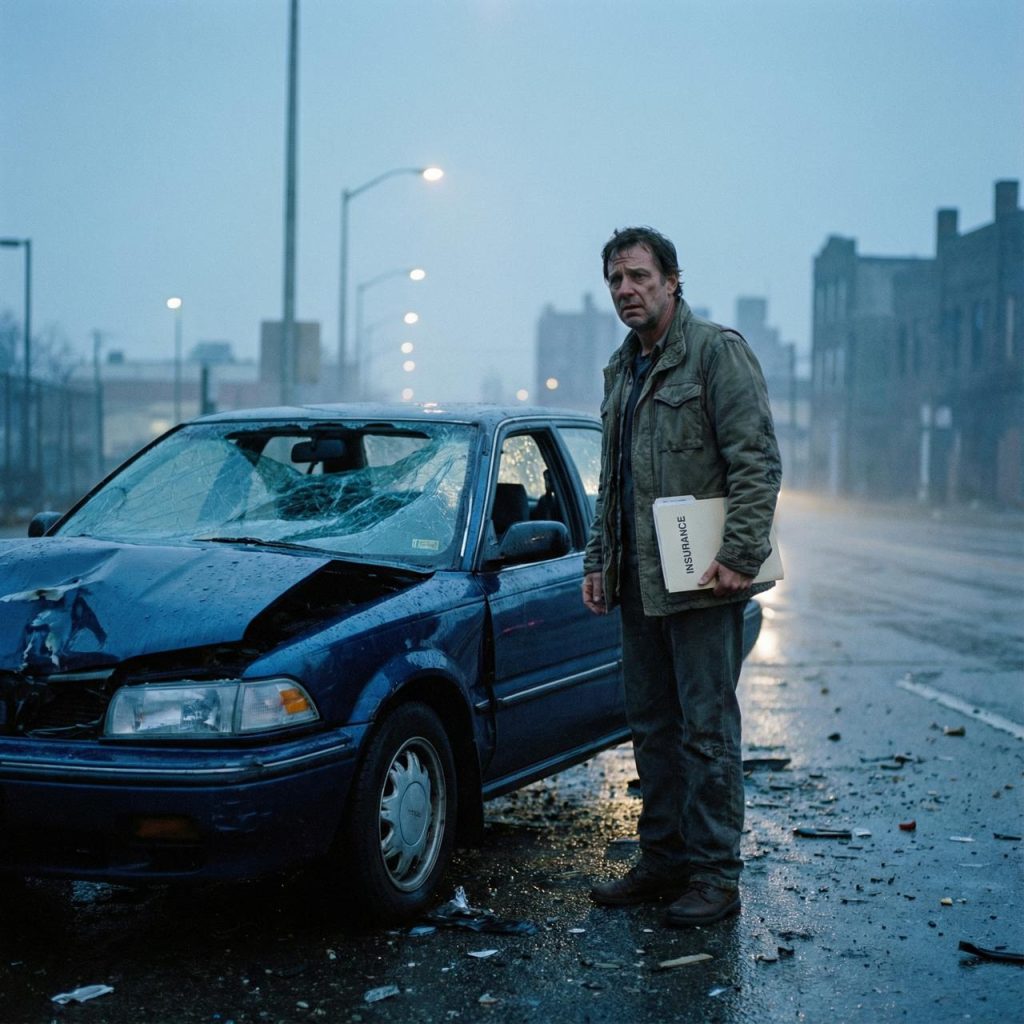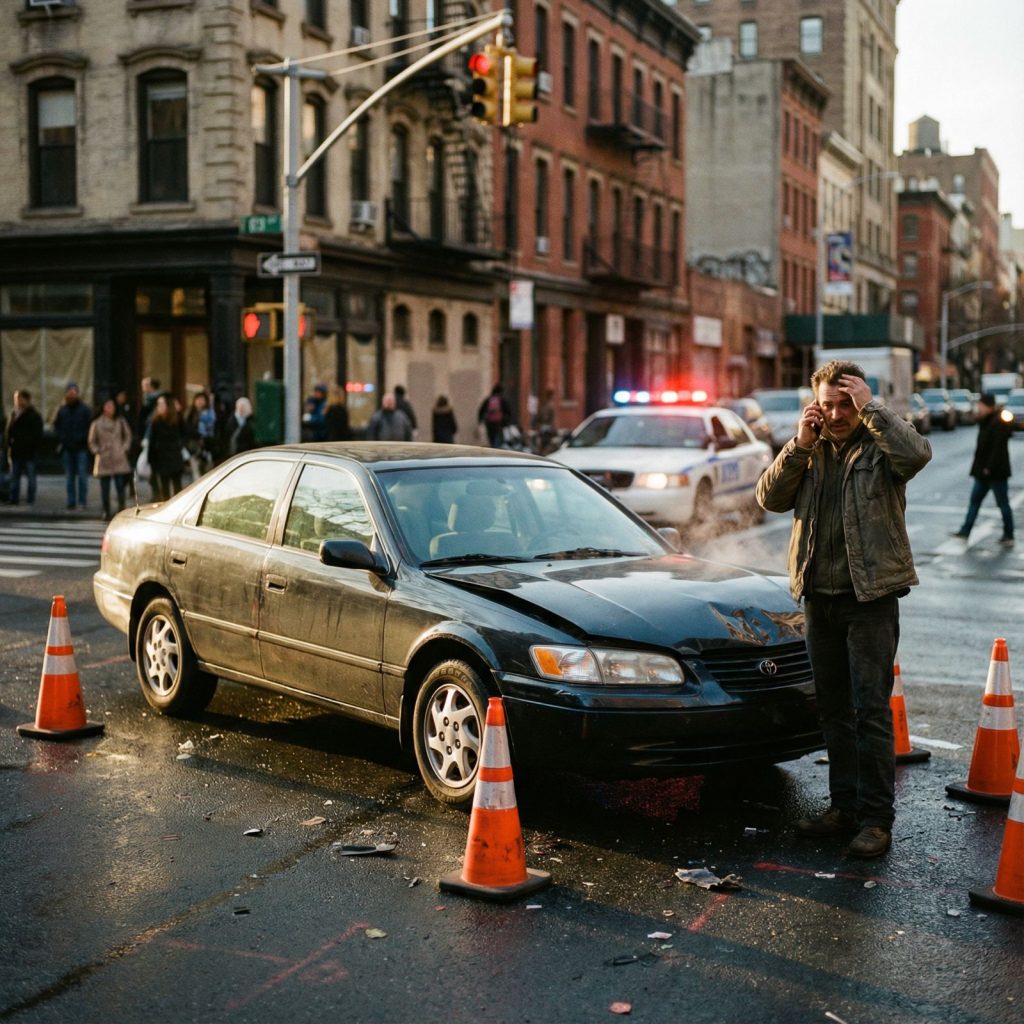
Mark owned a sedan he truly valued, and his close friend Jason needed a car for an urgent errand. Without hesitation, Mark handed him the keys, confident that Jason was a careful and responsible driver. Just an hour later, Mark received a phone call that changed everything: Jason had caused a collision at an intersection, resulting in major damage to Mark’s car, the other driver’s vehicle, and minor injuries to the passengers in the second car. Although shocked, Mark reassured himself, thinking, “It’s fine—my full coverage insurance will take care of everything.”
The Legal Reality: When Insurance Doesn’t Follow the Driver
Mark filed a claim with his insurance company expecting coverage for both vehicles and the medical expenses involved. Instead, he was stunned when the insurer denied the claim. The adjuster explained that Mark’s policy included a “named driver exclusion” and that Jason, not being listed on the policy, was not covered in any circumstance. Worse, the insurer argued that Mark violated the terms of the contract by allowing an unlisted driver to operate the vehicle. Suddenly, Mark found himself personally responsible for tens of thousands of dollars in repair bills and medical costs.
Understanding the Law: “Insurance Follows the Car”
In most U.S. states, the general rule is that car insurance follows the vehicle, not the driver. This concept is known as Permissive Use, meaning that if you allow someone to drive your car, your insurance usually becomes the primary coverage in case of an accident. However, there are critical exceptions that can void coverage entirely:
- If the driver lives in your household but is not listed on your policy
- If your policy includes a Named Driver Exclusion
- If the driver has a suspended license or is explicitly excluded
These exceptions give insurance companies full legal authority to deny claims even if you granted permission for the person to drive your vehicle.
The Lesson: Lending Your Car Is a Financial Risk
Lending your car to someone is essentially giving them temporary control over your financial liability. If they cause a serious accident, you may not only face denied claims—you could be targeted by lawsuits that exceed your policy limits. This puts your savings, wages, and even your home at risk.
How to Protect Yourself from This Situation
- Add all household members who regularly drive your car to your insurance policy, even if it slightly increases your premium.
- For friends or non-household drivers, contact your agent to confirm the limits of your Permissive Use coverage.
- Never lend your vehicle to someone with a poor driving record or without a valid license.
Trusted Sources
- Nolo / U.S. News — “Permissive Use Car Insurance”: Legal and consumer insight on how permissive use works and when coverage can be denied.
- Blackburn Romey — “What Happens If an Excluded Driver Gets in an Accident”: Explanation of the legal and financial consequences of excluded drivers.
- Brandon J. Broderick, Attorney at Law — “Help! My Friend Crashed My Car!”: An overview of how liability shifts to the vehicle owner in friend-caused accidents.