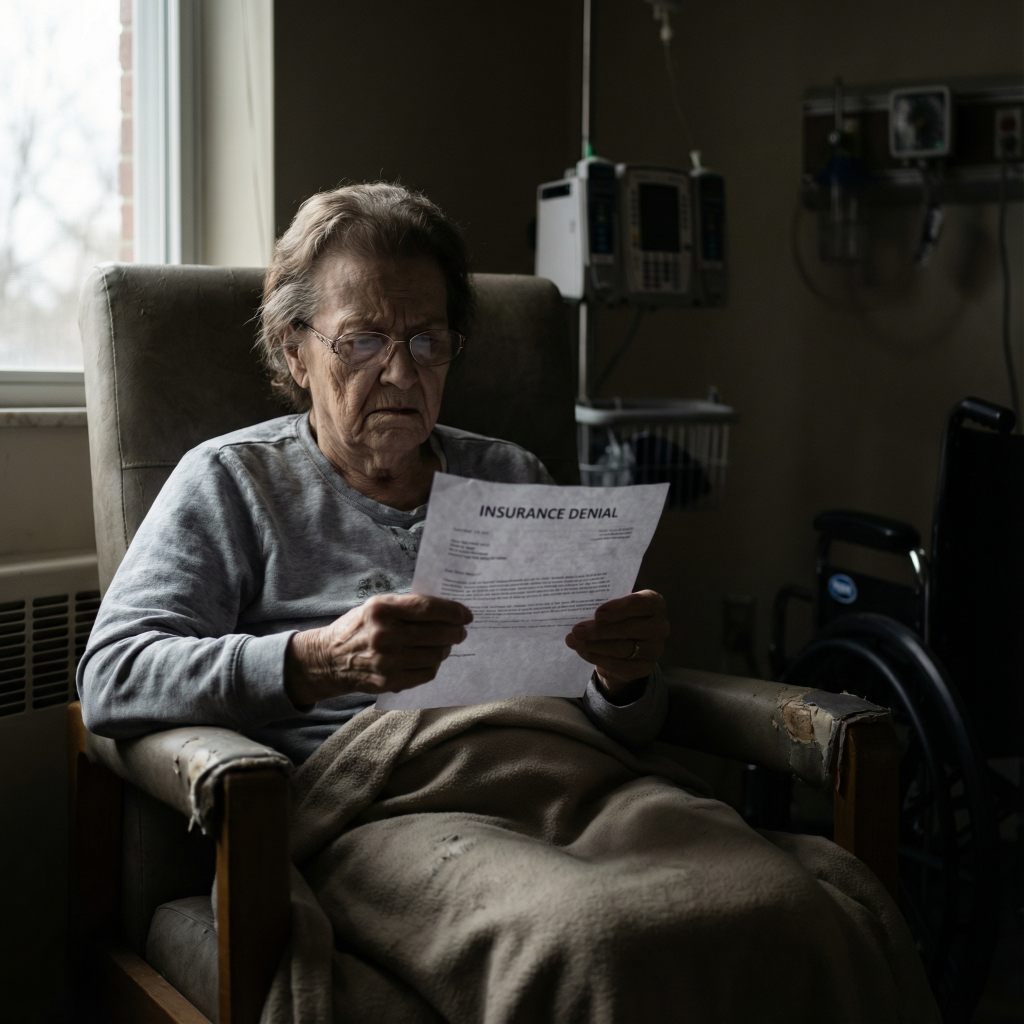
The Problem: When AI Decides Your Care Should End
After a complex surgery, an elderly patient—referred to as Helen—was slowly recovering in a skilled nursing facility. Her doctors insisted she still required continuous care. Suddenly, her Medicare Advantage plan operated by UnitedHealth Group notified her that coverage would end within days, based on an AI model rather than a physician’s assessment.
The Administrative or Legal Issue
The insurer relied on an algorithm called nH Predict to estimate recovery time. Lawsuits allege the model is frequently inaccurate and is used to justify early termination of coverage, even when medical professionals disagree. This placed Helen in an impossible situation: leave prematurely, pay enormous costs, or file a rapid appeal under intense pressure.
Key Legal or Financial Insight
Under Medicare rules, coverage for skilled nursing care can only be terminated when it is no longer medically necessary, and this decision must be based on an individualized medical evaluation—not an AI-generated prediction. Using algorithmic estimates over medical judgment is at the heart of current lawsuits alleging bad-faith denials.
The Outcome and Lesson
Families of affected patients, including Helen’s, filed a class-action lawsuit against UnitedHealth Group. The case exposed a troubling practice: relying on AI to deny essential care for vulnerable patients. This controversy underscored the importance of challenging automated decisions and demanding human review.
How to Avoid This Situation
If you or a loved one receives notice that skilled nursing coverage will terminate, you have the right to request an expedited appeal immediately. This forces an independent medical reviewer to issue a decision within 72 hours. Always ensure your doctor provides detailed documentation supporting the medical necessity of continued care.
Sources
- STAT News — AI model used to deny care
- The Verge — AI in healthcare denial decisions
- ProPublica — Investigations into automated claim rejections