The Dog That Became “Property”: Inside the Pax Veterinary Malpractice Insurance Battle
The Surgery That Destroyed a Dog’s Life
On a quiet afternoon in Rhode Island, a Labrador named Pax entered a veterinary clinic for what was supposed to be a routine knee surgery.
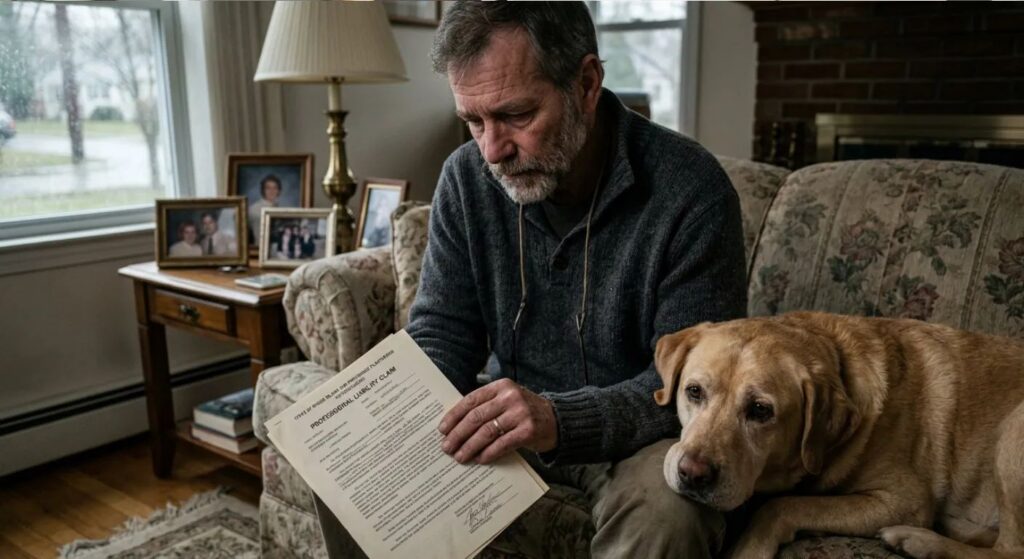
His owner, Victor Bernet, expected to bring home the same energetic dog who had spent years as a loyal companion and family member.
But something inside the operating room went catastrophically wrong.
Pax survived the surgery — but he never truly recovered.
According to reports surrounding the case, severe oxygen deprivation during the procedure allegedly caused catastrophic brain damage, leaving the dog permanently disabled and neurologically impaired.
What followed was not just a veterinary malpractice lawsuit. It became a brutal collision between emotion, insurance law, and the controversial legal reality that pets in America are still largely treated as property.
Victor believed Pax was family. The insurance system calculated his value like a damaged object.
The Anatomy of a Veterinary Insurance Dispute
From an investigative perspective, the real story was not only the medical mistake itself — but how the veterinary liability insurance system responded afterward.
The Medical Failure
Investigators examining the case reportedly focused on possible anesthesia monitoring failures during surgery.
Veterinary experts noted that prolonged oxygen deprivation during anesthesia can rapidly trigger irreversible neurological injury in dogs.
Questions raised during the dispute included:
- Was oxygen saturation properly monitored?
- Did the veterinary team react quickly enough to signs of distress?
- Were emergency procedures delayed?
- Was the anesthesia dosage appropriate?
These details became central to determining whether the event was a recognized medical complication — or actionable veterinary negligence.
The Insurance Company’s Response
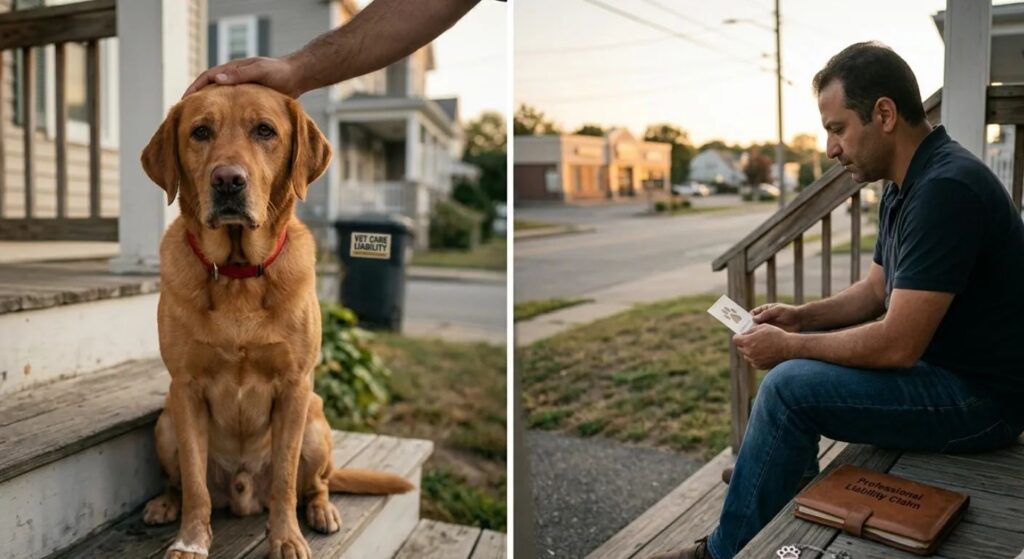
The veterinary clinic reportedly carried Professional Liability Insurance, designed to protect clinics against malpractice claims.
However, once negotiations began, Victor allegedly encountered the harsh financial logic of the insurance system.
The insurer reportedly calculated compensation using:
- Breed market value
- Purchase price depreciation tables
- Replacement cost estimates
In practical terms, Pax was treated similarly to a damaged insured asset rather than a family companion.
According to legal analysts, this is one of the most controversial aspects of pet insurance malpractice claims in the United States.
Insurance adjusters often reject emotional damages entirely, arguing that recognizing “grief value” would dramatically increase veterinary liability premiums nationwide.
The Quiet Pressure of Early Settlements
Attorneys familiar with veterinary malpractice disputes explain that insurers frequently attempt early low-value settlements before owners fully understand their legal rights.
In many cases, emotional shock pushes owners toward accepting compensation far below the true long-term impact of the loss.
Similar insurance conflicts involving veterinary negligence and denied claims can also be seen in:
The Bino Veterinary Malpractice Insurance Story
Why the Law Struggles to Value Pets
Modern academic literature strongly challenges the traditional legal treatment of companion animals.
Research from the University of Pennsylvania’s Penn Vet program discusses a psychological condition known as:
“Disenfranchised Grief.”
This refers to intense emotional suffering that society or legal systems fail to fully recognize.
In cases involving veterinary malpractice, owners often experience:
- Depression
- Complicated grief
- Anxiety disorders
- Trauma-related emotional distress
Yet courts historically reduce the animal’s value to economic calculations alone.
The “Economic Value” Debate
Legal scholars increasingly argue that companion animals possess:
- Intrinsic value
- Emotional companionship value
- Training investment value
- Service and family utility value
Critics argue that insurance companies intentionally narrow valuation formulas to minimize payouts in veterinary negligence cases.
How the Pax Case Changed the Conversation
The dispute surrounding Pax became associated with what many observers informally referred to as:
“Pax’s Law.”
While not a formal federal law, the case contributed to growing legal pressure for courts to reconsider how companion animals are valued in malpractice disputes.
The Old System
Historically:
- Pet = Property
- Compensation = Purchase price or replacement value
The Emerging Legal Shift
After high-profile veterinary malpractice cases, some courts began allowing juries to consider:
- Loss of companionship
- Emotional attachment
- Intrinsic animal value
Although these arguments remain limited in many states, they represent a significant shift in how courts view companion animals.
Legal experts now encourage pet owners to:
- Document training expenses
- Preserve veterinary records
- Keep proof of long-term care costs
- Understand veterinary liability coverage before procedures
Owners facing denied lifetime coverage disputes may also recognize similar insurance tactics in:
When the Lifetime Coverage Promise Fell Apart: The Story of Liesel and Kai
FAQ:
Q: Does pet insurance cover veterinary mistakes?
A: Usually no. Standard pet insurance covers medical treatment costs, while malpractice compensation comes from the clinic’s professional liability insurer.
Q: Can you sue a veterinarian for anesthesia negligence?
A: Yes. If improper monitoring, delayed response, or procedural negligence caused injury, owners may pursue a malpractice lawsuit.
Q: Why do insurance companies refuse emotional damages for pets?
A: Insurers argue that recognizing emotional suffering would dramatically increase veterinary liability costs and insurance premiums.
Q: What is Pax’s Law?
A: It is an informal term linked to legal discussions about expanding compensation rights for companion animal malpractice cases.
Q: Can emotional distress compensation ever apply to pets?
A: In limited states and rare cases involving gross negligence, courts may consider emotional damages or companionship loss.
The Insurance Industry’s Emotional Blind Spot
Pax eventually died, but the legal debate surrounding his case continued long after.
The story exposed a growing conflict inside the American insurance system:
Society increasingly treats pets like family, while insurers still value them through market formulas designed for replaceable property.
The lesson is painfully clear:
Insurance policies are financial contracts — not emotional justice systems.
Understanding that reality before tragedy strikes may be the only way owners can truly protect themselves and their animals.
7. Verified Sources & References