

Pet Insurance Malpractice Claim: The Case of Bino the Bulldog
The Dog That Never Came Home
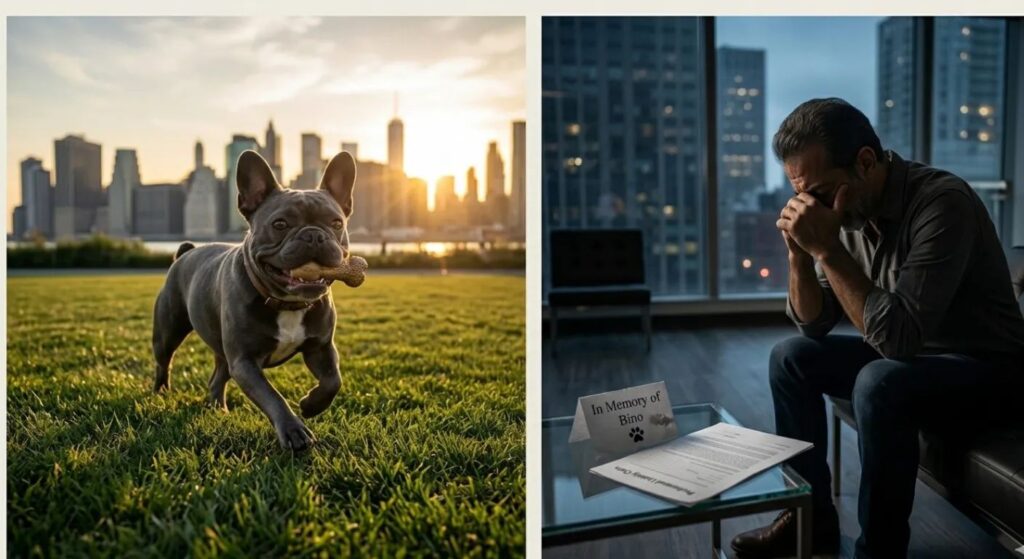
Inside a luxury Manhattan apartment, “Bino,” a beloved French Bulldog, became the center of a tragic Pet Insurance Malpractice Claim that exposed the hidden gaps in animal law.
His owner scheduled what should have been a simple dental cleaning procedure at a high-end veterinary clinic in New York. The dog was healthy, playful, and expected to return home the same afternoon.
But within hours, everything collapsed.
During anesthesia, something went catastrophically wrong. Bino suffered oxygen complications and never woke up.
What followed became more than a veterinary malpractice dispute. It evolved into a brutal lesson about how Pet Insurance, veterinary liability coverage, and animal compensation laws actually work in the United States.
The owner believed he had lost a family member. The insurance system treated the dog as damaged property.
The Collision Between Emotion and Insurance Law
From an investigative journalism perspective, this case exposed one of the biggest legal contradictions in modern America:
Society emotionally treats pets like children, while insurance law still classifies them as property.
How the Medical Error Happened
According to veterinary malpractice experts, anesthesia-related incidents remain one of the highest-risk areas in animal medicine.
In Bino’s case, investigators reportedly focused on several critical failures:
- Oxygen Monitoring Failures: Internal records suggested oxygen saturation levels were not continuously monitored during sedation.
- Delayed Emergency Response: Questions emerged about how quickly the veterinary staff reacted once the dog entered respiratory distress.
- Incomplete Risk Disclosure: The owner later argued that the clinic minimized the real anesthesia risks commonly associated with brachycephalic breeds like French Bulldogs.
Veterinary experts explain that flat-faced dog breeds face significantly higher anesthesia complications because their airway structure naturally restricts breathing.
The Insurance Conflict
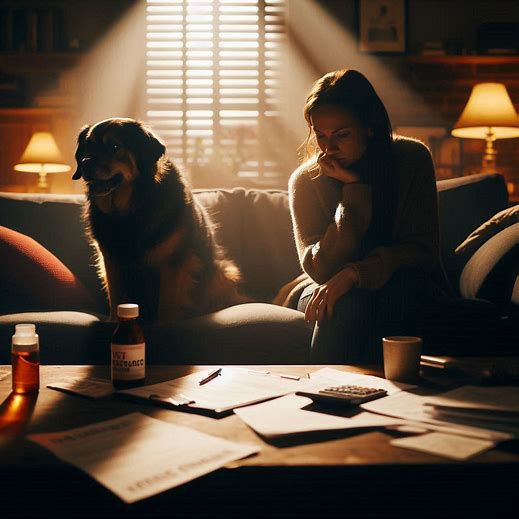
After the death, the owner expected the clinic’s Professional Liability Insurance carrier to offer meaningful compensation.
Instead, the insurance company reportedly attempted to frame the incident as a “recognized procedural risk” rather than actionable negligence.
The initial settlement discussions focused almost entirely on:
- The dog’s purchase price
- Previous veterinary expenses
- Market value calculations
Missing from the equation was the emotional devastation suffered by the owner.
That legal gap is what transformed the case into a wider debate about pet insurance claims, veterinary accountability, and the true value of companion animals.
Why Pet Insurance Often Creates False Expectations
Insurance professionals describe this issue as the “Expectation Gap.”
Consumers emotionally believe pet insurance protects the relationship with their animal.
Legally, however, most policies are designed only to manage financial exposure.
“People buy pet insurance thinking it protects their pet emotionally. In reality, it mainly protects the insurer and the financial cost of treatment.”
According to analysts in the pet insurance industry, claim disputes often emerge from three areas:
- Pre-existing condition exclusions
- Breed-specific limitations
- Disagreements over veterinary negligence
Some clinics also face accusations of inflating treatment costs once they discover an animal is insured — a growing issue discussed across the veterinary insurance market.
Similar disputes involving denied surgeries and treatment costs have appeared in other real-world pet insurance battles, including this internal case study:
When Pet Insurance Fails: Maui’s $10,000 Surgery Battle
Why Losing a Pet Feels Like Losing Family
Modern research strongly contradicts outdated legal assumptions about animals.
A Cornell University study found that nearly 90% of American pet owners consider their animals true family members rather than property.
The Science of Pet Grief
Psychologists now recognize a condition called:
“Complicated Pet Grief.”
This occurs when owners experience prolonged emotional trauma after the sudden or negligent death of a pet.
Symptoms can include:
- Depression
- Sleep disorders
- Anxiety
- Long-term emotional attachment trauma
Yet despite these scientifically documented effects, most U.S. courts still calculate damages using traditional property valuation methods.
The Technology Shift in Veterinary Insurance
The veterinary insurance industry is rapidly modernizing.
Today, insurers increasingly use:
- Microchip verification systems
- Digital veterinary record databases
- AI-assisted claim analysis
- Biometric pet identification
These systems are designed to reduce fraudulent claims, verify animal identity, and detect altered treatment histories.
How Pet Insurance and Veterinary Liability Actually Work
Under most U.S. legal systems, pets remain classified as property.
That classification dramatically limits compensation potential in veterinary malpractice lawsuits.
What Compensation Usually Covers
- Veterinary bills
- Replacement market value
- Emergency treatment costs
- Economic damages
Emotional suffering compensation is usually restricted unless attorneys can prove:
- Gross negligence
- Intentional misconduct
- Extreme procedural violations
How to Protect Yourself Legally
- Keep all veterinary records and invoices
- Request anesthesia consent forms before procedures
- Verify if your clinic carries professional liability insurance
- Understand policy exclusions before emergencies happen
Owners looking to better understand pet insurance coverage, exclusions, and claim structures can also review:
FAQ:
Q: Does pet insurance cover veterinary malpractice?
A: Usually no. Pet insurance generally covers medical treatment costs, while veterinary malpractice claims involve the clinic’s professional liability insurer.
Q: Can I sue a veterinarian for emotional distress?
A: In most U.S. states, emotional distress damages are limited because pets are legally classified as property.
Q: Are French Bulldogs considered high-risk for anesthesia?
A: Yes. French Bulldogs are brachycephalic dogs, meaning they face elevated breathing and anesthesia risks during surgery.
Q: What is the biggest reason pet insurance claims get denied?
A: The most common reason is pre-existing condition exclusions or incomplete medical history disclosure.
Q: Can a veterinary clinic deny responsibility after a pet dies?
A: Yes. Clinics often argue that complications were known medical risks rather than negligence, which is why medical records become critically important.
The Insurance System Still Hasn’t Caught Up Emotionally
Bino’s death exposed a painful reality inside the American insurance system.
For millions of owners, pets are emotionally equal to family members.
But inside courtrooms and insurance contracts, they are still treated primarily as financial assets.
The case pushed renewed conversations around veterinary accountability, pet insurance reform, and whether emotional damages should play a larger role in future claims.
The lesson is simple:
Pet insurance is a financial shield — not emotional justice.
Understanding that difference before tragedy strikes may be the most important protection any pet owner can have.
Sources

Pingback: Pax Veterinary Malpractice Insurance: The Day He Became a Number