Commercial Property Insurance: How Utility Records Verify Water Damage Claims
Filing a property damage claim for accidental water leaks is one of the most common events in commercial real estate management. When a business owner reports a sudden pipe burst that destroys high-value commercial stock, insurance adjusters must conduct a thorough timeline investigation. Today, evaluating a commercial property insurance claim for water damage relies on simple, objective facts, as municipal utility records and physical property inspections provide an undeniable look into the actual event.
The Case Study: The Ruined Commercial Paper Stock
A commercial office supply distributor in Ohio was facing a severe financial setback after a major client canceled a massive order of premium printing papers, specialized inks, and office electronics. Left with an overstock of high-cost inventory that was quickly deteriorating due to poor ventilation in an old storage unit, the business owner sought a way to minimize his financial losses. His goal was to secure a $35,000 payout under his commercial property insurance policy for sudden accidental water damage.
Over a weekend when the facility was closed, the owner decided to create the appearance of a building infrastructure failure. He took dozens of old, unsellable paper pallets and stacked them in the center of the warehouse. He then brought in several large containers of water from an outside source and manually soaked the inventory, pouring water over the electronics and paper stacks. To complete the scene, he used a wrench to scratch and dent a secondary overhead pipe, claiming it had suddenly burst due to internal pressure. On Monday, he filed an urgent property loss claim, stating that an unexpected pipe failure over the weekend had flooded the facility and ruined his valuable stock.
Fact-Checking the Water Flow
Why Was the Water Damage Claim Audited?
The field insurance adjuster noted immediate red flags during the physical inspection of the warehouse. While the office supplies and paper pallets were heavily soaked, the surrounding drywall, floor cracks, and lower baseboards were completely dry. In a genuine pipe burst capable of ruining $35,000 worth of inventory, water typically spreads across the entire floor plane, leaving distinct high-water marks and dampness throughout the structural foundation.
The business owner assumed that because the paper was visibly ruined and water was present on the stock, the insurance company would simply accept his written statement about the pipe failure and issue the compensation without looking into external utility indicators.
How Was the Fraud Discovered?
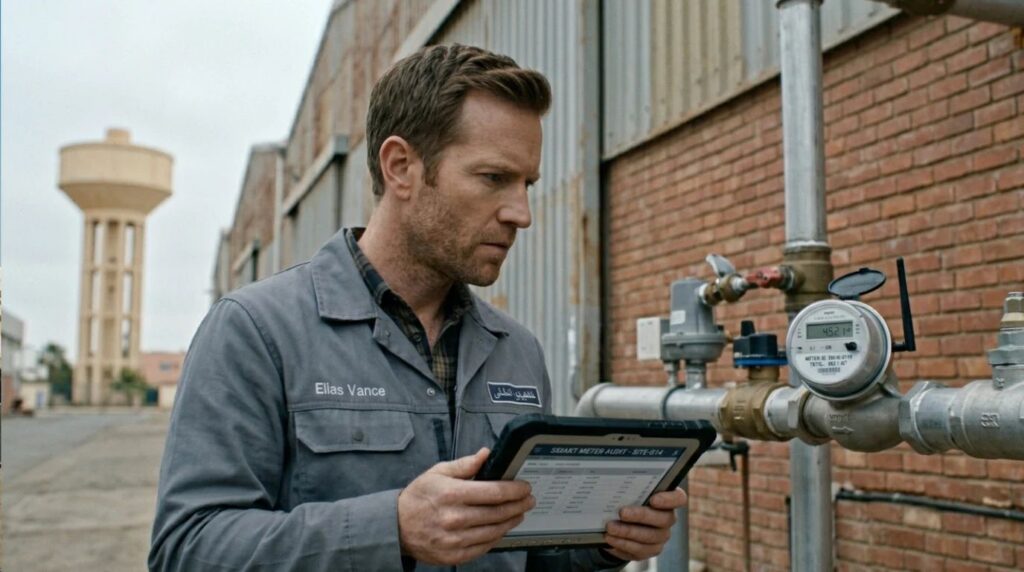
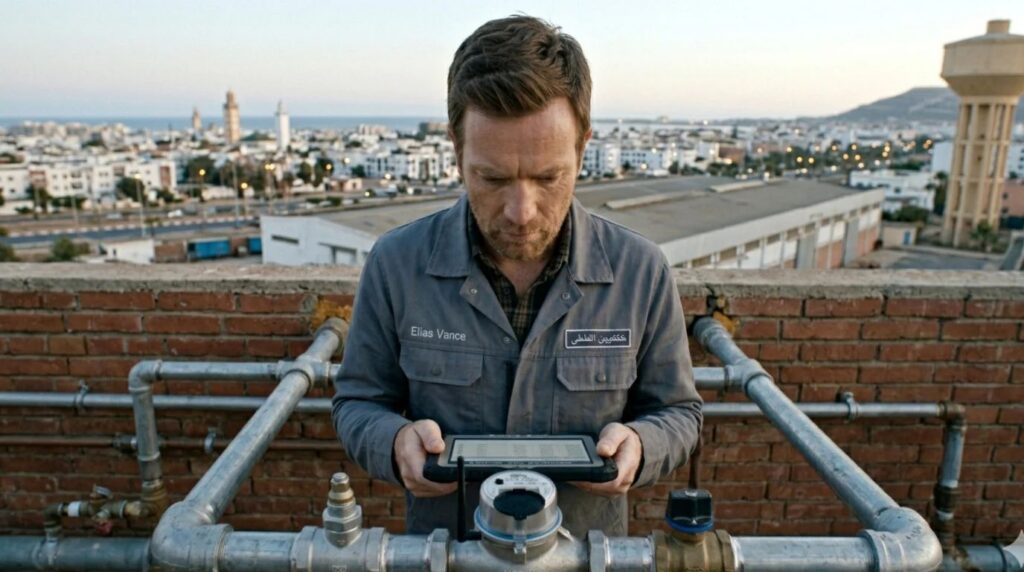
The insurance company’s investigative unit contacted the municipal water utility company to request the digital consumption logs from the building’s **Smart Water Meter** during the weekend of the alleged incident.
The official municipal utility report completely disproved the owner’s story. The smart meter records showed that water consumption for the commercial property was exactly zero gallons from Friday evening until Monday morning. Had a high-pressure commercial pipe actually burst, the meter would have recorded thousands of gallons of continuous, unchecked water flow. Faced with the utility data and the inconsistent physical evidence, the owner confessed that he had brought the water in manually to destroy inventory that had already been ruined by baseline storage humidity. This direct method of checking basic utility history is standard; just as adjusters review public transit cameras during a commercial property insurance warehouse theft investigation, underwriters use municipal utility logs to verify property damage.
Property Risk Assessment Specialist Insight: “A pipe burst is a high-volume event that triggers immediate water utility spikes. When a business claims a major flood occurred but the municipal water meter records zero consumption, it proves the water did not come from the building’s plumbing system.”
Asset Protection and Facility Integrity
Analyzing commercial property losses requires an understanding of utility monitoring and economic behavioral trends in retail businesses:
- The Evidentiary Reliability of Smart Utility Meters: Research published in the Journal of Commercial Risk and Facility Management indicates that modern municipal smart meters provide legally binding records in civil disputes, as their hourly flow metrics remove human bias from property assessments.
- Moral Hazard in Stagnant Wholesale Markets: A financial study from the Wholesale Distribution and Insurance Review demonstrates that inventory-staging fraud attempts scale up when a business faces a sudden cancellation of major distribution contracts, leaving them with depreciating assets.
Policy Voidance and Commercial Fraud Outcomes
How Does the Policy Apply?
Commercial property insurance contracts demand absolute transparency and material honesty during the loss evaluation process. Under the standard **Fraud, Intentional Misrepresentation, and Concealment Provision**, any deliberate act to damage insured inventory or falsify the physical cause of a loss completely voids the active policy. The underwriting firm is legally released from any liability for the current claim and can immediately cancel all connected corporate protections.
The distributor’s $35,000 claim was officially denied, his commercial property insurance package was canceled, and his business was forced to close permanently due to the loss of operational insurance rights. The underwriter forwarded the utility logs and forensic physical reports to state authorities, resulting in civil fraud penalties and criminal charges for insurance fraud. This structural legal response is applied uniformly across all specialized sectors when dishonesty is proven. Whether an operator is faking a weather event to cover business losses or fabricating a plumbing disaster during a commercial property insurance restaurant investigation involving spoilage sensor logs, the systemic result remains identical: total claim rejection and legal prosecution.
Key Terms to Know in Commercial Property Underwriting:
- Accidental Discharge Coverage: A standard provision in a business property policy that pays for damages caused by the sudden, accidental escape of water or steam from a plumbing system.
- Wear and Tear Exclusion: A contractual rule stating that property damage resulting from gradual deterioration, poor maintenance, or long-term storage humidity is not covered by insurance.
Questions (FAQs)
1. Does standard commercial property insurance cover all types of water damage?
No. Standard policies cover sudden, accidental internal water damage like a burst pipe. Gradual damage from a long-term leak is excluded under maintenance rules, while external environmental flooding requires separate commercial flood insurance.
2. Can an insurance company deny a water claim if the leak happened before the smart meter was installed?
Even without a smart meter, adjusters can easily verify a claim by checking the physical condition of the pipe welds, reviewing water pressure drop alerts from the municipal grid, or inspecting the building’s structural foundations for deep water saturation.
3. What happens if a commercial facility suffers a genuine pipe burst?
If a real plumbing disaster occurs, municipal meter logs will record a massive, continuous spike in water flow. Physical inspections will show widespread water marks across walls and floors, confirming an authentic accidental event to adjusters.
Conclusion
Operating a commercial wholesale or distribution business requires strict facility maintenance and complete honesty with your underwriting providers. The utility verification methods analyzed in this warehouse water case demonstrate that modern smart meter data makes fabricating an accidental plumbing disaster highly impractical. Attempting to manage inventory debt by intentionally damaging stock leads directly to policy voidance, financial loss, and severe criminal prosecution. Maintaining proper storage environments and practicing honest commercial property insurance reporting is the only reliable way to protect your business assets and your professional future.