Event Cancellation Insurance: How Weather Records Verify Commercial Liability Claims
Organizing large-scale public entertainment and corporate events involves significant financial investment, from booking premium venues to hiring specialized production crews. When a promoter files a major loss claim citing an unexpected cancellation due to extreme weather or safety hazards, insurance adjusters must conduct a thorough contextual review. Today, evaluating an event cancellation insurance claim relies on clear, objective data validation, as public meteorological records and venue logs provide an undeniable timeline of the conditions surrounding the scheduled event.
The Cancelled Summer Music Festival
An entertainment promoter in Ohio was facing severe financial pressure after organizing a high-profile outdoor music concert. Due to poor marketing and a sudden drop in consumer spending, ticket sales were disastrously low, with less than 20% of the venue's capacity filled just days before the show. Realizing that proceeding with the concert would result in massive out-of-pocket losses for artist fees and staging rentals, the promoter sought an alternative financial exit.
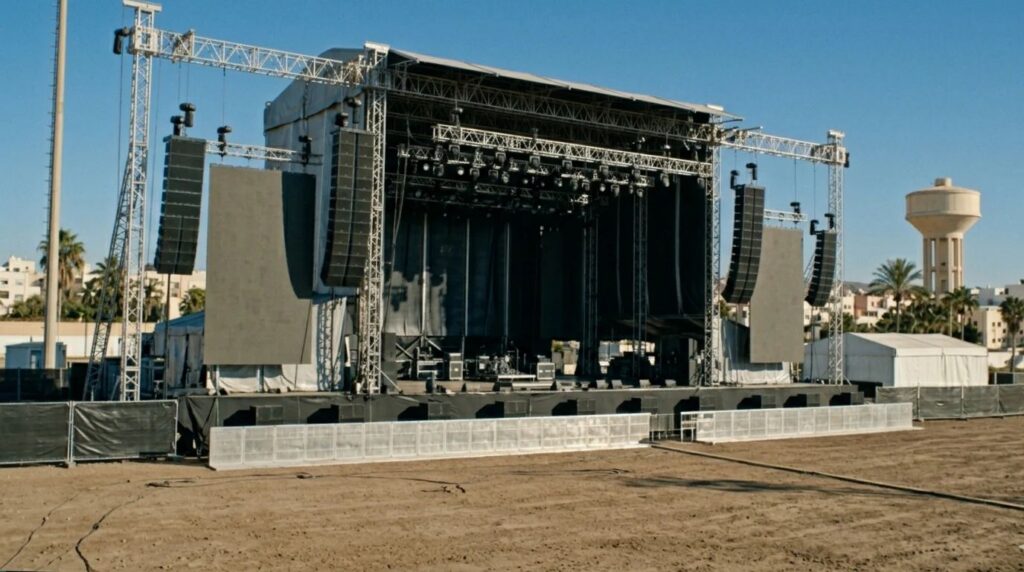
On the morning of the scheduled concert, the promoter officially called off the event and notified ticket holders. He immediately filed a $85,000 claim under his commercial insurance policy, asserting that a sudden, severe lightning storm and dangerous wind gusts had created an immediate safety hazard at the outdoor venue, making it legally and physically impossible to guarantee public safety. By blaming a force majeure weather event, the promoter hoped to recover his entire operational investment through his insurance policy's adverse weather endorsement.
Fact-Checking the Weather Reports
Why Was the Event Claim Audited?
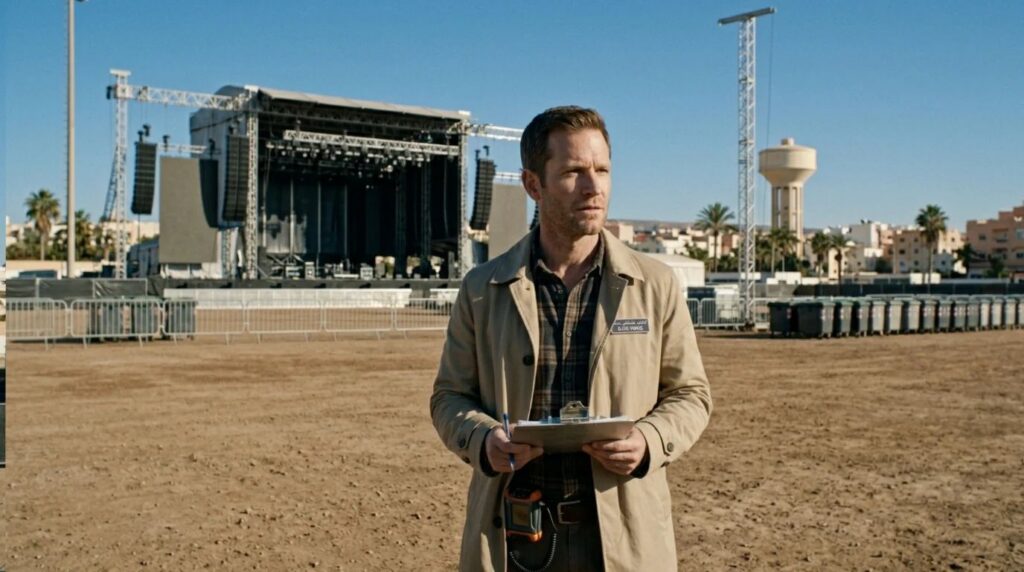
The specialized commercial lines adjuster noticed immediate discrepancies when reviewing the cancellation timeline. While the promoter claimed that active thunderstorms forced the sudden shutdown, the venue management's internal staff logs showed no emergency evacuations, no structural alerts, and no damage to the exposed sound and lighting equipment already installed on the main stage.
The promoter assumed that because weather can be unpredictable, the insurance company would simply accept his written statement regarding public safety concerns and process the reimbursement without cross-referencing his story with regional scientific data.
How Was the Truth Discovered?
The insurance company's investigation unit initiated a standard verification query with the National Weather Service (NWS) and checked data from local airport radar stations within a five-mile radius of the venue.
The official meteorological reports completely disproved the promoter's narrative. The data showed that while there was a light, brief rain shower early in the morning, the afternoon and evening of the concert enjoyed clear skies, mild temperatures, and completely safe wind speeds well below any hazardous threshold. Furthermore, financial investigators audited the event's ticketing platform and discovered the low sales volume, revealing the true economic motive behind the sudden cancellation. This practical method of fact-checking is standard operating procedure across all specialized sectors; just as maritime adjusters review official navigation logs during a marine insurance hull investigation involving voyage data recorders, event underwriters utilize verified weather baselines to validate commercial disruptions.
Commercial Event Underwriter Insight: "Bad weather is a valid reason to cancel a public gathering, but it must actually happen. When official radar data shows clear skies, an empty ticket ledger is usually the real reason the gates stayed closed."Economic Risk and Venue Management
Analyzing commercial event disruptions requires an understanding of hospitality economics and operational risk trends:
- The Validity of Regional Meteorological Data: Research from the Journal of Hospitality and Tourism Risk Management indicates that verified public weather data functions as absolute legal evidence in commercial contract disputes, neutralizing subjective claims of environmental hazards.
- Moral Hazard in Pre-Sale Ticket Models: A financial study from the Entertainment Economics Quarterly shows that event cancellation fraud attempts correlate closely with low pre-sale ticket metrics, as promoters face immediate cash flow collapses.
Policy Voidance and Financial Recovery
How Does the Policy Apply?
Commercial event insurance policies are governed by explicit definitions of what constitutes a valid cancellation. Under the standard **Misrepresentation, Concealment, and Financial Failure Exclusion**, a policyholder cannot use insurance to cover financial deficits caused by low ticket sales or poor business performance. Deliberately fabricating an environmental hazard to trigger a policy payout completely voids the active contract.
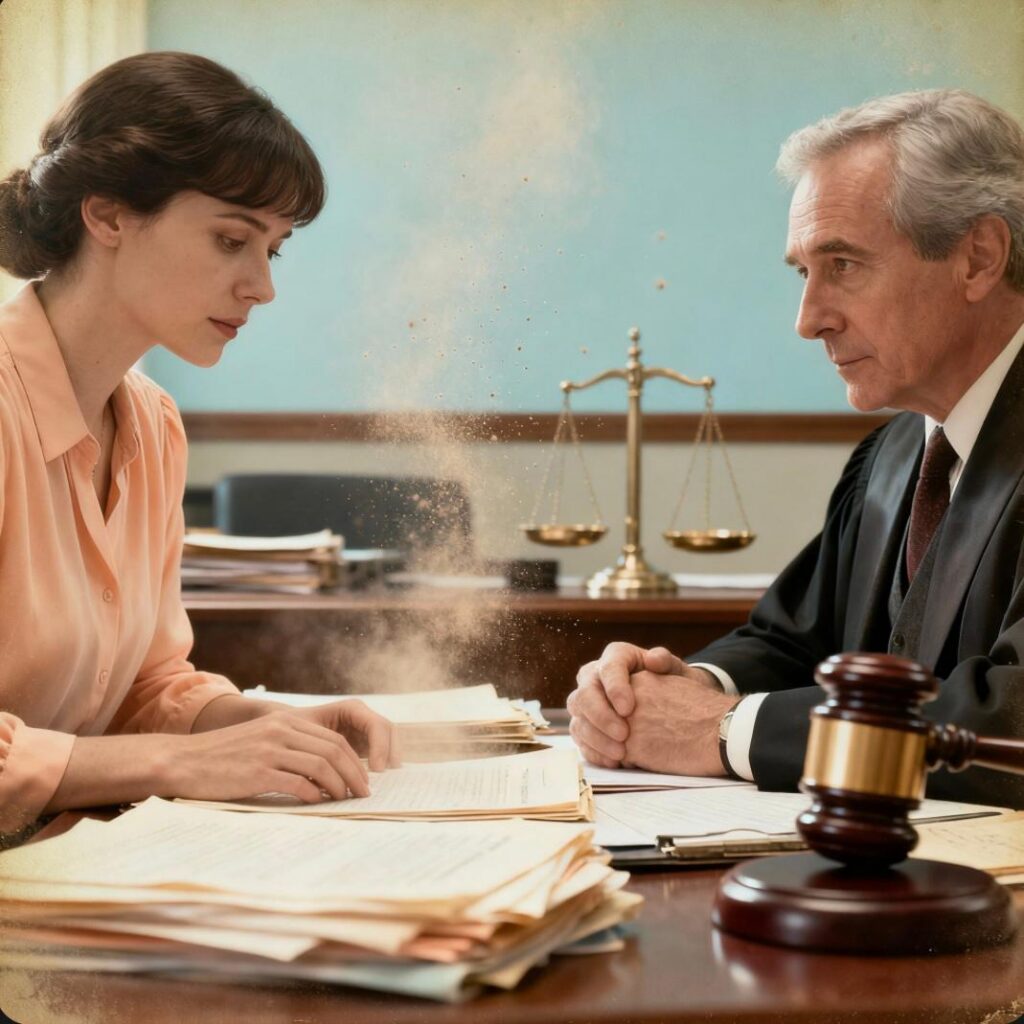
The promoter’s $85,000 claim was denied, his commercial liability policy was canceled, and he was held personally liable for all vendor contracts and mandatory ticket refunds. The underwriter referred the case file to state insurance regulators, leading to civil fraud penalties and a permanent ban from operating commercial entertainment ventures in the region. This legal outcome is consistent across all business sectors when misrepresentation is discovered. Whether a business owner is misrepresenting digital data during a professional liability insurance software investigation involving development logs or faking a storm to cover business losses, the structural result is identical: total claim rejection and severe legal consequences.
Key Terms to Know in Event Insurance:
- Adverse Weather Endorsement: A specific addition to an event cancellation policy that protects the organizer from lost expenses if a severe, documented weather event makes holding the venue unsafe.
- Force Majeure Clause: A standard legal provision that excuses parties from environmental or contractual obligations when an extraordinary, completely unpreventable event occurs.
Questions (FAQs)
No. Standard commercial general liability insurance protects against third-party bodily injury or property damage during an event. Recovering lost expenses due to a cancellation requires a standalone "Event Cancellation and Disruption Policy."
Only if the policy includes a specific "Non-Appearance Rider." If the artist fails to show up due to unexcused personal reasons or contract disputes, the loss is typically settled between the promoter and the artist's agency, not the insurer.
If a legitimate, documented disaster occurs (such as a regional hurricane warning or a city-wide power grid failure), the claim is fully approved. Investigators verify the event using public news, emergency management declarations, and local authority reports.
Conclusion
Operating a successful commercial entertainment or promotion business requires transparent planning and honest cooperation with underwriting partners. The weather verification methods analyzed in this concert cancellation case demonstrate that modern data tracking makes faking a environmental hazard impractical. Attempting to solve poor ticket sales by fabricating a storm leads directly to policy cancellation, reputational damage, and financial ruin. Maintaining realistic budgets and practicing honest event cancellation insurance reporting is the only secure way to protect your commercial investments and your professional standing.