The $80,000 Sweetheart Swindle: Why Seniors Need Identity Theft Insurance Coverage
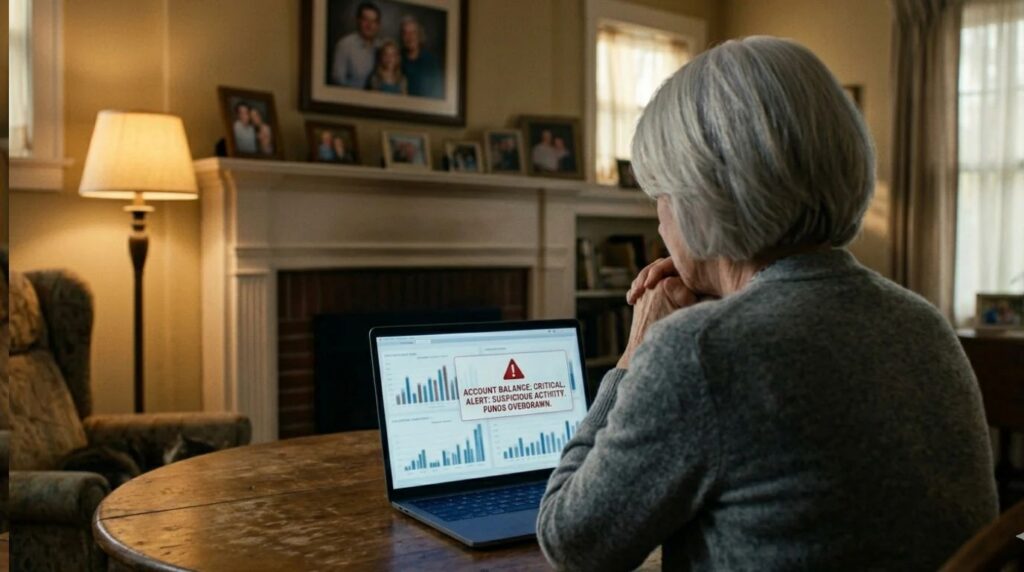
Identity theft insurance coverage has transformed from an optional policy add-on into an absolute emergency shield for vulnerable American seniors targeted by digital predators. Imagine a 68-year-old retired widow spending her evenings text messaging someone she believes is a lonely widowed engineer working on an offshore oil rig. For Margaret Vance of Sarasota, Florida, this deep emotional connection blossomed over six months—until it rapidly weaponized into a calculated cyber extortion scheme that drained her entire life savings of $80,000. This heartbreaking case exposes how modern cybercriminals no longer just hack servers; they hack human loneliness, revealing the catastrophic financial gaps that traditional family estates leave completely unprotected.
The Clinical Mechanics of a Romance Identity Scam
Why Did the Cyber-Fraud Happen?
The scam successfully targeted a profound behavioral and cognitive vulnerability: isolated emotional trust coupled with digital naivety. The syndicate of international scammers utilized “catfishing” protocols, deploying highly polished, stolen photographs of real military personnel to construct a completely fabricated persona on social media.
After cementing an intense psychological bond, the criminals shifted from romance to identity exploitation. They convinced Margaret to share her Social Security number (SSN), date of birth, and driver’s license under the pretense of adding her as a beneficiary to the scammer’s fictional offshore financial estate. Once the syndicates acquired this primary data, they executed a total financial identity takeover—opening clean credit lines, establishing fraudulent shell bank accounts, and siphoning her actual retirement funds via unauthorized wire transfers.
How Was the Fraud Investigated and Uncovered?
The fraud was uncovered when Margaret’s local bank flagged suspicious, repeated out-of-state wire transfers. Specialized cyber-fraud adjusters and forensic data investigators immediately initiated a transactional audit. By mapping the IP routing logs embedded in the email exchanges and tracking the destination of the wire funds, investigators discovered a multi-layered money laundering ring spanning across West Africa and Eastern Europe.
The forensic evaluation proved that the perpetrators used automated software to mask their physical locations, systematically clearing Margaret’s digital footprint to prevent her from locking her credit files in time. The emotional devastation was intentionally leveraged; the hackers threatened to leak private messages to her adult children if she contacted the authorities, creating a state of psychological paralysis.
Senior Insurance Claims Specialist Insight: “Romance scams are uniquely dangerous because the victim actively assists the criminal initially out of emotional manipulation. By the time the family realizes what happened, the legal identity of the senior is entirely compromised across multiple states.”
Cognitive Vulnerability in the Digital Age
To understand why traditional security alerts fail in these scenarios, we must examine the intersection of psychology and technology:
- The Cognitive Aging & Trust Paradox: A major study published by the Harvard Review of Psychiatry indicates that as the human brain ages, specific neural regions governing doubt and risk-assessment exhibit decreased activity, rendering older adults structurally more susceptible to sophisticated psychological manipulation and social engineering.
- The Isolation Multiplier in Cybercrime: According to a research framework from the Stanford Center on Longevity, social isolation acts as a massive catalyst for cyber-fraud success. Criminals systematically exploit the digital medium because it allows them to simulate constant presence, bypassing the physical interventions that family members would normally provide.
The Legal and Insurance Lesson: The Boundaries of Voluntary Funds Transfer
How Does the System Work?
When Margaret’s family attempted to recover the stolen assets through her primary bank and standard homeowners policy, they hit a brick wall of legal denials. Under standard banking regulations (Regulation E of the Electronic Fund Transfer Act), if a consumer is manipulated into voluntarily authorizing a wire transfer, the bank is legally absolved of liability. Furthermore, standard home insurance strictly covers physical theft of tangible property inside the house—it does not cover digital funds willingly sent abroad.
This is precisely where specialized coverage steps in. Unlike basic property insurance, which deals with physical claims like fire or a home insurance arson fraud investigation case, cyber protection plans treat digital identity as an asset. Because Margaret’s daughter had proactively updated the family’s umbrella plan to include comprehensive identity protection, the specialized policy took over the recovery process.
The Legal and Recovery Distinction:
- Standard Property Insurance: Reimburses for stolen physical hardware or physical cash taken during a residential burglary.
- Identity Theft Insurance: Pays for professional credit restoration services, legal defense fees to fight fraudulent creditors, lost wages during court battles, and specialized mental health counseling for the victim.
The policy provided Margaret with a dedicated case manager who legally wiped the fraudulent debts from her credit profile, restored her standing with credit bureaus, and recovered a significant portion of the stolen funds through cyber-extortion clauses.
Frequently Asked Questions (FAQs)
1. Does standard home insurance protect seniors from online scams?
No. Standard homeowners insurance policy frameworks completely exclude financial losses resulting from identity theft, internet fraud, and voluntary scams unless a dedicated cyber endorsement is explicitly added.
2. What does identity theft insurance coverage actually pay for?
It covers the high costs of hiring specialized attorneys to fix your credit, fees for notary and certified mail, lost wages for time taken off work, and certified resolution experts who do the bureaucratic work to restore your name.
3. How can I protect an elderly family member from romance scams?
Implement freeze features on their credit profiles with Major Bureaus (Equifax, Experian, TransUnion), utilize shared family banking alerts for large out-of-state wires, and openly discuss the psychological tactics used by online catfishers.
Conclusion
Digital evolution has given international syndicates direct, unmonitored access to our most vulnerable family members. The tragic anatomy of romance fraud proves that modern security isn’t just about firewalls; it’s about protecting our identity footprints. Leaving an elderly relative exposed to the digital world without a proper safety net is a severe financial risk. Securing a dedicated identity theft insurance coverage policy is the single most effective legal mechanism to ensure that an online predator cannot erase a lifetime of hard work and financial legacy in a single click.