Introduction
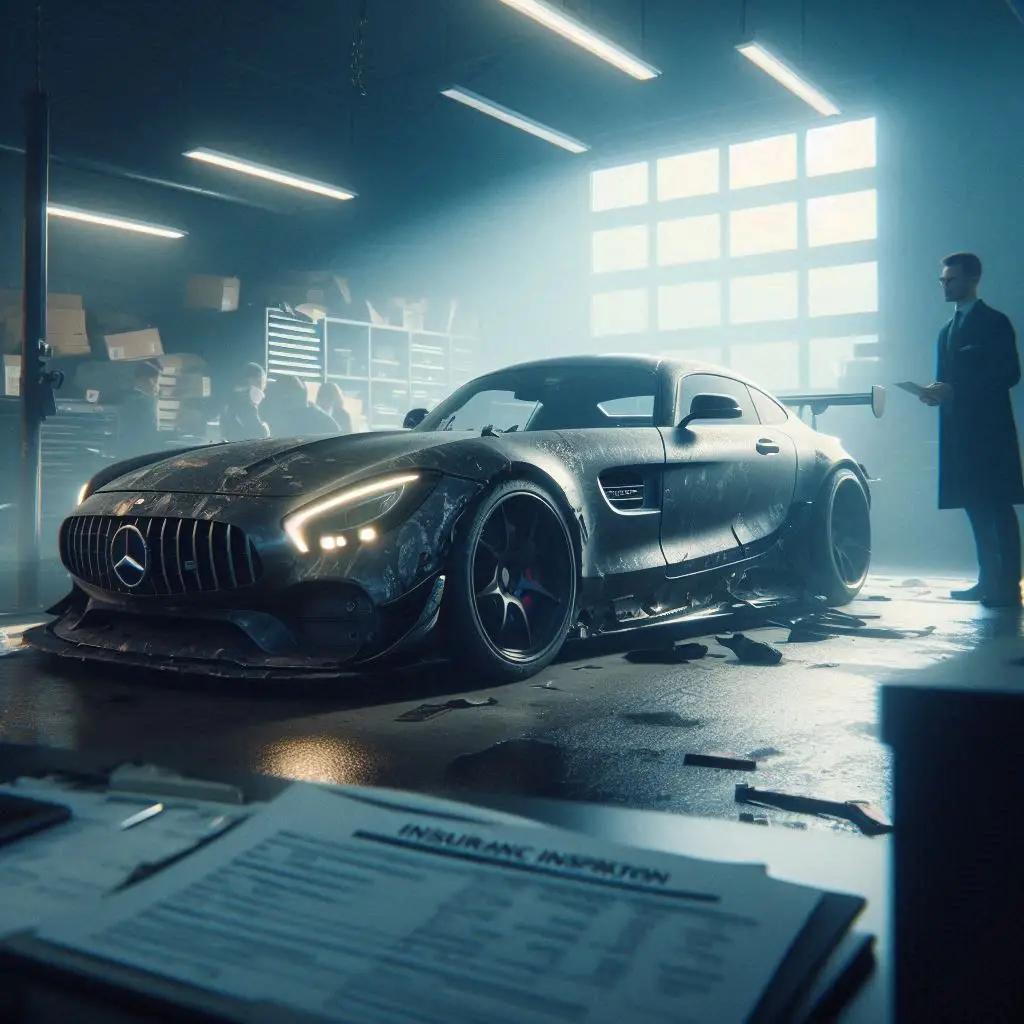
Auto insurance is designed to restore a vehicle to its pre-accident condition. However, with the rise of modern electric luxury vehicles, the definition of “proper repair” has become more complex than ever. This case involving a Porsche Taycan highlights a growing conflict between insurance cost control and manufacturer-certified repair standards.
As electric vehicles become more advanced, repair procedures require specialized training, equipment, and certification. When insurance companies refuse to cover these costs, the financial burden can fall directly on the vehicle owner.
Quick Facts
- Type of Insurance: Auto Insurance
- Vehicle: Porsche Taycan (Electric Vehicle)
- Main Issue: Underpayment of certified repair labor rates
- Insurance Company: State Farm
- Legal Action: Class-action lawsuit
- Key Risk: Compromised safety and warranty
Understanding Certified Repairs
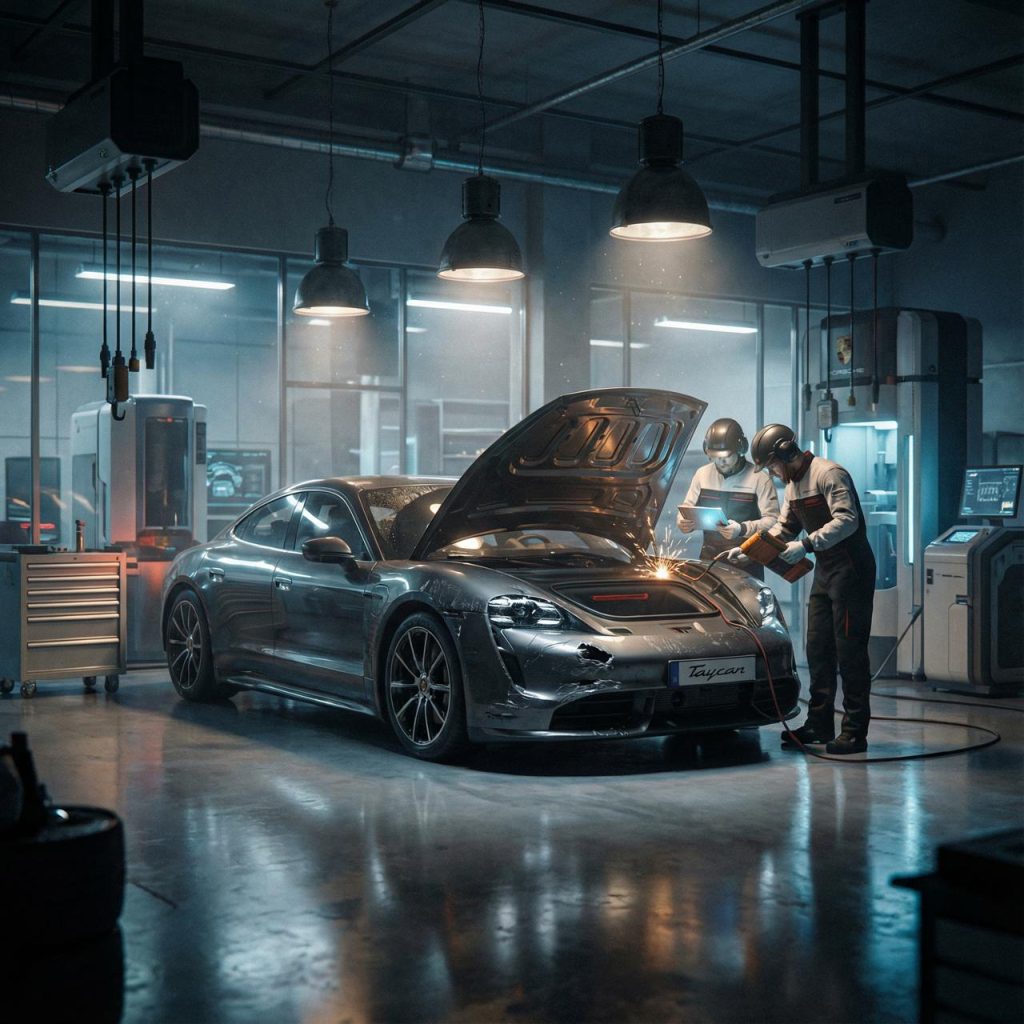
Modern vehicles, especially electric luxury models like the Porsche Taycan, are built using advanced materials such as aluminum and carbon fiber. They also rely heavily on sensors, cameras, and software systems that must be calibrated precisely after an accident.
Because of this complexity, manufacturers require that repairs be performed at certified repair centers. These facilities are trained and approved by the manufacturer to ensure that all repairs meet strict safety and performance standards.
Failing to follow these standards can lead to serious consequences, including reduced vehicle safety, system malfunctions, and even voided warranties.
The Real Story
Ada Sasson, the owner of a 2022 Porsche Taycan, found herself in a difficult situation after being involved in a car accident. Understanding the importance of proper repairs, she chose to take her vehicle to a Porsche-certified repair center.
These facilities use manufacturer-approved techniques and equipment, ensuring that the vehicle is restored to its original condition. However, the cost of these specialized repairs is often higher than standard repair shops.
Ada expected her insurance policy to cover these costs fully, especially given the clear safety requirements involved.
The Shock
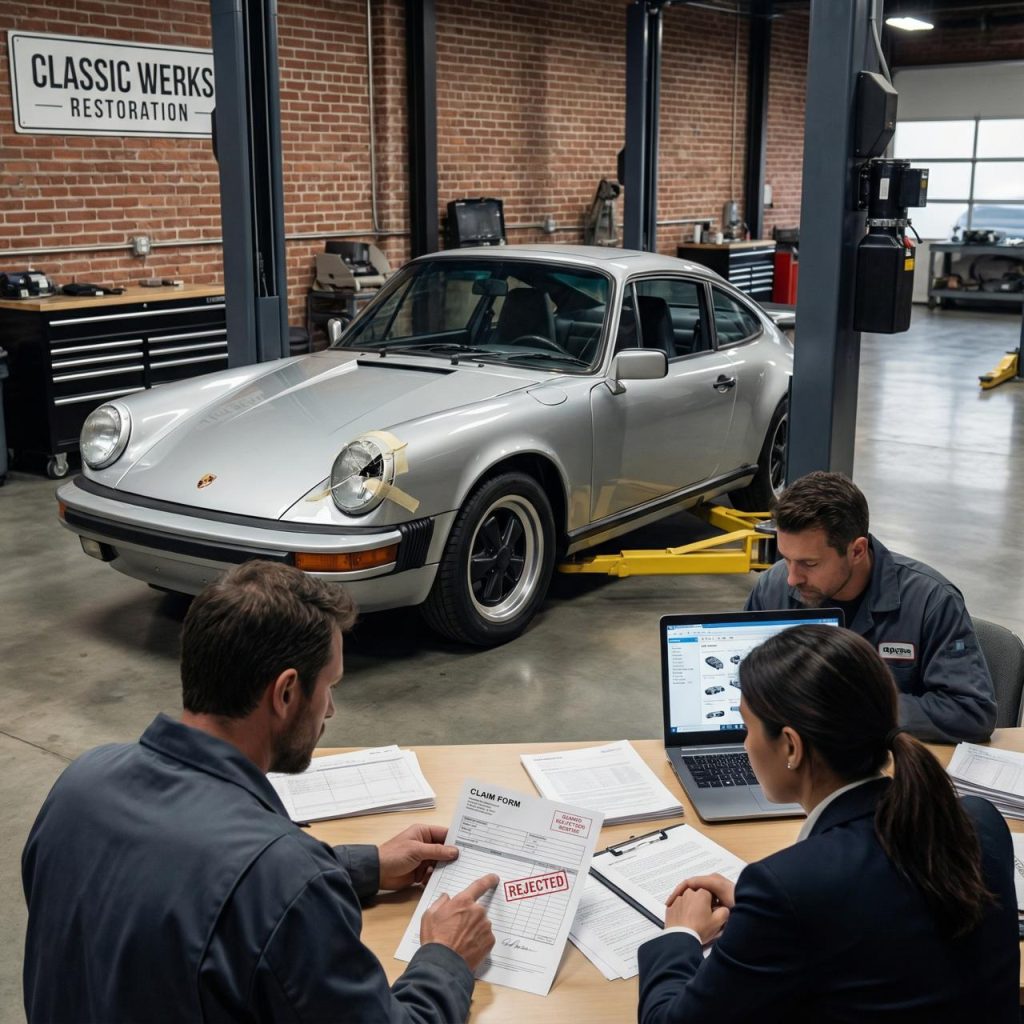
Despite the documented need for certified repairs, the insurance company refused to pay the full labor rate charged by the Porsche-approved facility.
Instead, the insurer applied a “market rate” based on general repair shops, which do not have the same level of certification or expertise.
This created a significant financial gap, forcing Ada to pay the difference out of pocket if she wanted her car repaired correctly.
This situation raised a critical question: should cost-saving measures override manufacturer safety standards?
The Insurance Company’s Argument
The insurer argued that their responsibility was to pay a “reasonable and customary” rate for repairs, not necessarily the higher rates charged by specialized facilities.
From their perspective, as long as the vehicle could be repaired to a functional condition, the exact location or certification level of the repair shop was not essential.
However, this argument fails to fully consider the technical complexity of modern electric vehicles.
Legal Insight: Certified vs Standard Repairs
This case highlights a growing legal issue in the auto insurance industry.
Not all repairs are equal.
For advanced vehicles, certified repairs are often necessary to maintain safety systems such as collision avoidance, battery integrity, and structural strength.
Using non-certified repair methods may lead to hidden damage that only becomes apparent later, potentially putting drivers and passengers at risk.
This creates a conflict between cost control by insurers and safety requirements set by manufacturers.
The Legal Battle
As Ada investigated further, she discovered that her situation was not unique. Many luxury vehicle owners had faced similar issues with underpaid repair claims.
This pattern led to the filing of a class-action lawsuit against the insurance company, alleging a systematic practice of underpaying certified repair labor costs.
Class-action lawsuits allow multiple affected individuals to unite and challenge widespread practices, increasing pressure on large corporations to change their policies.
This case became a symbol of a broader industry conflict.
Why This Matters for Electric Vehicles
Electric vehicles like the Porsche Taycan are fundamentally different from traditional gasoline cars.
They include:
- High-voltage battery systems
- Advanced driver assistance technologies
- Sensitive electronic components
- Complex structural designs
Improper repairs can affect not only performance but also safety and long-term reliability.
For this reason, certified repairs are not a luxury—they are a necessity.
Could This Happen to You?
Yes. This issue is becoming more common as vehicles become more advanced.
Many insurance policies include language that allows insurers to control repair costs, which can lead to disputes when certified repairs are required.
Vehicle owners often assume their policy will fully cover proper repairs, but this is not always the case.
Common Mistakes to Avoid
| Mistake | Solution |
|---|---|
| Assuming all repairs are covered | Review your policy carefully |
| Accepting the insurer’s estimate immediately | Compare with certified repair quotes |
| Choosing the cheapest repair option | Prioritize safety and certification |
| Not challenging underpayment | Request justification and appeal if needed |
Practical Advice
- Always request a repair estimate from a manufacturer-certified facility
- Compare it with the insurance company’s estimate
- Ask your insurer to explain any differences in writing
- Do not approve repairs that may compromise safety
- Consult a legal expert if the financial gap is significant
Awareness Section
If you own a luxury or electric vehicle, understanding your repair rights is essential.
Before purchasing insurance, ask:
- Does the policy cover certified repair facilities?
- Are labor rates capped?
- Can I choose my own repair shop?
Being informed in advance can prevent costly surprises after an accident.
FAQ
Q: Does insurance always cover certified repairs?
A: Not always. It depends on the policy terms and labor rate limits.
Q: Can I insist on a certified repair shop?
A: Yes, but you may need to pay the difference if the insurer refuses full coverage.
Q: What is a class-action lawsuit?
A: It is a legal case where multiple people with similar claims sue a company together.
Disclaimer
This article is for informational purposes only and does not constitute legal or financial advice.
Conclusion
This case highlights a growing gap between modern vehicle technology and traditional insurance practices.
As cars become more advanced, the importance of certified repairs continues to increase. Insurance policies must evolve to reflect this reality.
Consumers, on the other hand, must stay informed, question decisions, and advocate for their safety and financial protection.
Sources
- Insurance Information Institute (III) – Auto insurance and repair standards
- Industry reports on electric vehicle repair requirements
- Legal discussions on class-action cases involving insurance claims
Author
Written by Carla – Content writer focused on insurance and financial protection topics in the United States.
Website managed by Hicham Asouab, founder of True Insurance Stories.