The $100,000 Dog Lie: Inside a Pet Insurance Fraud That Exposed a Hidden Industry Weakness
When a Pet Becomes a Profit Strategy
Can the death of a beloved dog become a calculated financial move?
Inside Manhattan’s luxury pet culture—where high-value pet insurance policies can exceed six figures—a seemingly tragic loss turned into a criminal investigation.
What began as grief quickly unraveled into a sophisticated insurance fraud case involving falsified veterinary records, identity manipulation, and a system pushed to its limits.
The Anatomy of Pet Insurance Fraud
Unlike traditional insurance fraud, this scheme did not rely on staging a death—it relied on rewriting medical history.
The Pre-existing Condition Manipulation:
The policyholders insured the dog after discovering a serious illness (bone cancer), then altered veterinary records to present the animal as healthy at the time of policy activation.
Medical Identity Substitution:
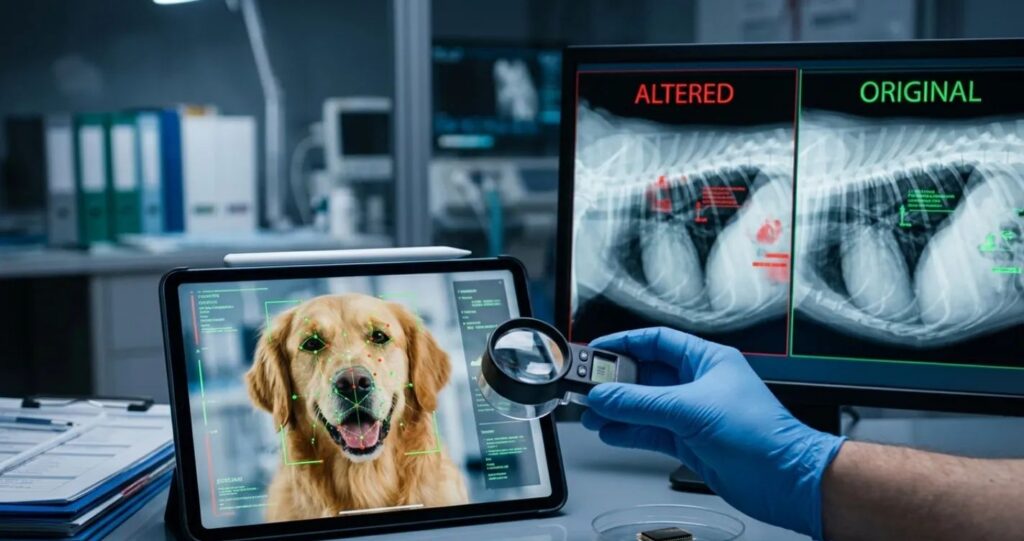
Investigators later found evidence suggesting the use of medical records from another healthy dog of the same breed—creating a “clean profile” to secure premium pet insurance coverage.
This tactic exploits one of the biggest structural gaps in pet insurance systems: the absence of standardized identity verification across veterinary databases.
How the Fraud Was Detected
Timing Red Flag:
The claim was filed only months after policy activation—a classic trigger in insurance fraud detection models.
Veterinary Record Audit:
The insurer launched a forensic audit and uncovered pre-policy X-rays showing the tumor existed before coverage began.
Data Inconsistency:
Mismatch between submitted records and clinic archives exposed the manipulation.
This case demonstrates how modern insurance claim investigations rely less on the incident itself—and more on historical data verification.
Academic & Technical Insight
Behavioral Economics (Moral Hazard):
Studies in the Journal of Economic Psychology show that insured individuals may take greater risks—or manipulate situations—when financial protection exists.
Emerging Technology:
Insurance companies are now implementing:
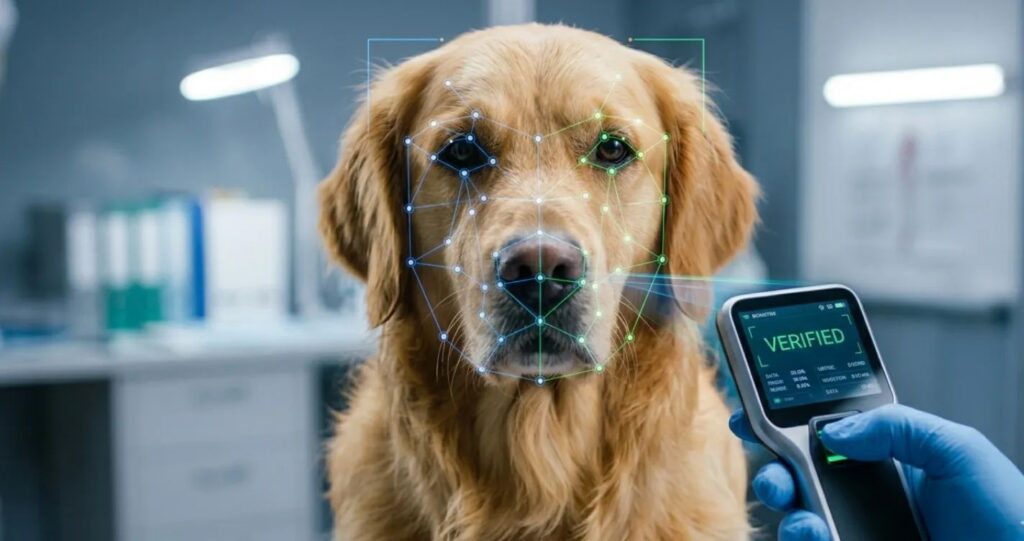
- Pet biometric identification (facial recognition)
- Microchip-based verification systems
- AI-driven anomaly detection in claims
These systems aim to prevent what is known as medical identity fraud in pet insurance.
Insurance Fraud Is a Felony
Under U.S. law, falsifying veterinary records to obtain insurance payouts constitutes insurance fraud.
Key legal principles:
- Uberrimae Fidei (Utmost Good Faith): Full disclosure is mandatory
- Material Misrepresentation: Any false medical history voids coverage
- Criminal Exposure: Fraud can lead to prison sentences, fines, and permanent financial blacklisting
Why This Case Matters
Pet insurance fraud is not an isolated issue—it affects the entire system.
- Premiums increase for honest policyholders
- Claims undergo stricter verification processes
- Legitimate claims face delays and scrutiny
This pattern is already visible in real cases where even valid claims become financial disputes.
👉
Read the full investigation: Maui’s $10,000 Pet Surgery Insurance Battle
FAQ: What People Actually Search
Q: Can pet insurance deny claims due to pre-existing conditions?
Yes. Pre-existing conditions are the most common reason for claim denial in pet insurance policies.
Q: How do insurers verify pet identity?
Through microchips, veterinary records, and increasingly biometric identification technologies.
Q: Can pet insurance claims be investigated like human insurance?
Absolutely. Insurers use AI-based fraud detection, record audits, and data cross-referencing.
Q: Can expensive surgeries be denied even with coverage?
Yes. Coverage depends on policy terms, timing, and medical history.
👉
See a real case breakdown here
The Cost of Deception
This case exposes a harsh reality: insurance is not a loophole—it is a data-driven system built on trust and verification.
Attempting to manipulate it doesn’t just risk a denied claim—it risks legal consequences, financial damage, and long-term credibility loss.
Transparency is not optional. It is the foundation of coverage.
For a deeper look at how even legitimate claims can fail under strict policy rules:
👉
Maui’s $10,000 Surgery Insurance Case
Sources & References