1. The Billion-Dollar “Patient Cycle”
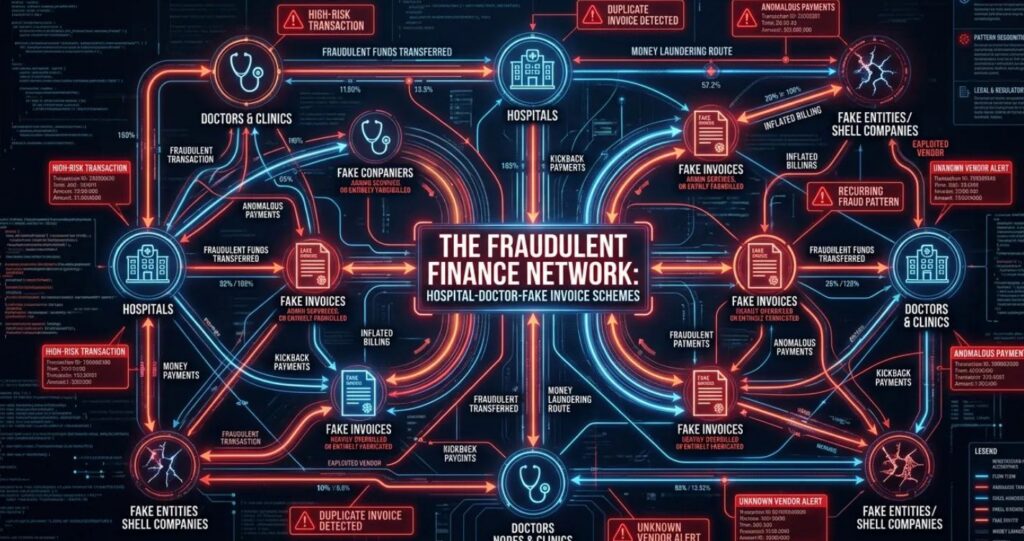
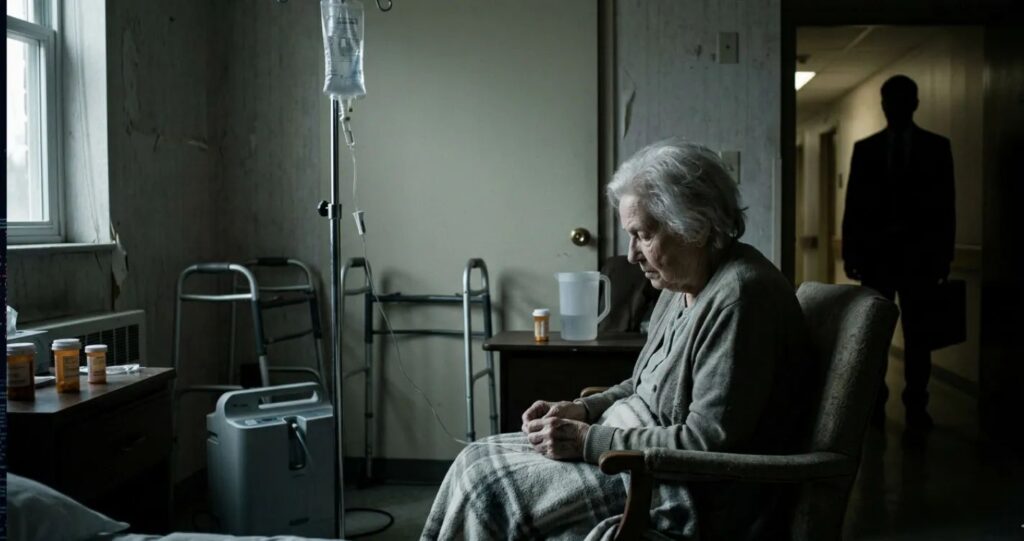
“In the sun-drenched streets of Miami, Philip Esformes lived a life of unimaginable luxury—private jets, $30,000 watches, and a multi-million dollar estate. But this fortune wasn’t built on real estate or tech; it was built on the backs of the elderly. While his nursing home residents were often kept in squalor or subjected to unnecessary medical procedures, Esformes was busy ‘cycling’ them through a sophisticated $1.3 billion fraud machine. This is the story of how one man turned the American healthcare system into a personal ATM, exploiting the very people it was designed to protect.”
2. Journalistic Investigation: The Mechanics of Exploitation
This case represents a systemic failure rather than a simple lapse in ethics. Esformes operated a network of over 30 nursing homes and assisted living facilities.
The “Kickback” Economy: The core of the operation was the Anti-Kickback Statute violation. Esformes paid bribes to doctors and medical professionals to refer patients to his facilities. Once admitted, these patients became “human commodities.”
The Billing Merry-Go-Round: Patients were frequently moved between facilities to restart the “billing clock” for expensive services. They were provided with “skilled nursing” care they didn’t need, and Medicare was billed for thousands of hours of therapy that never occurred.
The Expert Perspective (Why did it happen?): Healthcare insurance experts point to the “Pay and Chase” model. Medicare is designed to pay claims quickly to ensure providers have the cash flow to treat patients. This speed creates a window for fraud. Esformes exploited this by submitting a massive volume of fraudulent claims that stayed just under detection thresholds.
3. Academic & Technical Insights
Technical Analysis (AI & Machine Learning):
Research by Prova (2024) shows that modern fraud detection relies on Ensemble Learning models such as XGBoost and Stacking. These systems identify abnormal referral patterns by analyzing relationships between diagnoses, treatment frequency, and provider behavior, flagging deviations from normal medical pathways.
Psychological Analysis (Elder Vulnerability):
Shao et al. (2019) explain that mild cognitive decline creates a “trust gap.” Elderly patients may still sign documents but lack the cognitive capacity to detect manipulation. In extreme cases, sedation and dependency further reduce their ability to resist exploitative systems.
4. Legal Lessons: The Power of the Whistleblower
The U.S. legal system relies heavily on the False Claims Act (FCA) to combat large-scale fraud.
The Qui Tam Provision: This allows whistleblowers to sue on behalf of the government. As noted by Leder-Luis (2023), whistleblower actions remain one of the most cost-effective tools for recovering healthcare fraud losses.
The Verdict: Esformes was sentenced to 20 years in prison and ordered to pay $44 million in restitution. The case became a landmark example of financial forensic investigation in healthcare crime.
5. Frequently Asked Questions (FAQ)
Q: How did authorities finally catch him?
It was a combination of FBI investigation and HHS-OIG data analytics. Investigators identified a statistical anomaly: Esformes’ facilities showed patient re-admission rates up to 10 times higher than the state average.
Q: Does this affect my personal insurance premiums?
Yes. Medicare fraud is estimated to cost between $60 billion and $100 billion annually, contributing directly to higher healthcare costs and insurance premiums.
6. Conclusion & The Moral Lesson
The Esformes case exposes a structural truth: when healthcare becomes a high-volume financial pipeline, patients risk becoming invisible. Systems built for care can be reshaped into systems of extraction when oversight fails.
The lesson is clear: vigilance is essential. Reviewing Explanation of Benefits (EOB) statements and questioning unexplained medical billing is not optional—it is part of protecting vulnerable patients from systemic abuse.
7. Sources
-
U.S. Department of Justice (Official Case Information):
DOJ – Philip Esformes Medicare Fraud Case
-
FBI Case Overview:
FBI – Miami Healthcare Fraud Strike Force (Esformes)
-
Academic Research (Machine Learning Fraud Detection):
Prova (2024) – Healthcare Fraud Detection Using Machine Learning
-
Academic Research (Elder Vulnerability):
Shao et al. (2019) – Elder Abuse and Cognitive Decline Vulnerability
-
Legal Impact Study:
Leder-Luis (2023) – Whistleblowers and Medicare Fraud Enforcement